As a hospital’s core clinical area, the operating room (OR) demands strict standardization in both staff behavior and supply management—directly impacting infection prevention and control (IPC), operational efficiency, and cost control. Today, many hospitals still rely on manual OR behavior management and face persistent challenges such as garment loss, inefficient labor, and supply waste—creating an urgent need for a smart, digital solution. Leveraging core technologies such as RFID and the Internet of Things (IoT), ZHILAI MED has developed an Operating Room Behavior Management Solution. The solution has been successfully implemented at The First Affiliated Hospital of Anhui University of Science & Technology, enabling a shift from labor-intensive, rough management to digital, refined operations—providing a replicable model for the industry.
I. Current Pain Points in OR Behavior Management
Traditional OR behavior management is heavily manual, with complex processes and weak control. Three major pain points significantly undermine IPC safety and operational performance:
1) Severe garment loss and poor traceability
Abnormal loss of surgical gowns is common. Some staff keep gowns for long periods, and non-OR personnel may wear them improperly. Laundry handover quantities rely on manual verification; when items are lost or damaged, accountability is difficult to trace—driving waste and higher costs.
2) Low efficiency and higher error rates in manual management
Manual key-based processes for gown and shoe cabinets are time-consuming and inefficient, and long-term occupancy or non-compliant use cannot be monitored in real time. Manual counting of garments and shoes and managing cabinet keys inevitably leads to errors, further increasing the management burden.
3) Low utilization and lack of data for optimization
Gowns, lockers, and other resources cannot be allocated intelligently on demand; long-term occupation reduces overall utilization. In addition, the lack of systematic usage statistics means there is no data basis to optimize the configuration of gown/shoe lockers—making rational resource allocation difficult.
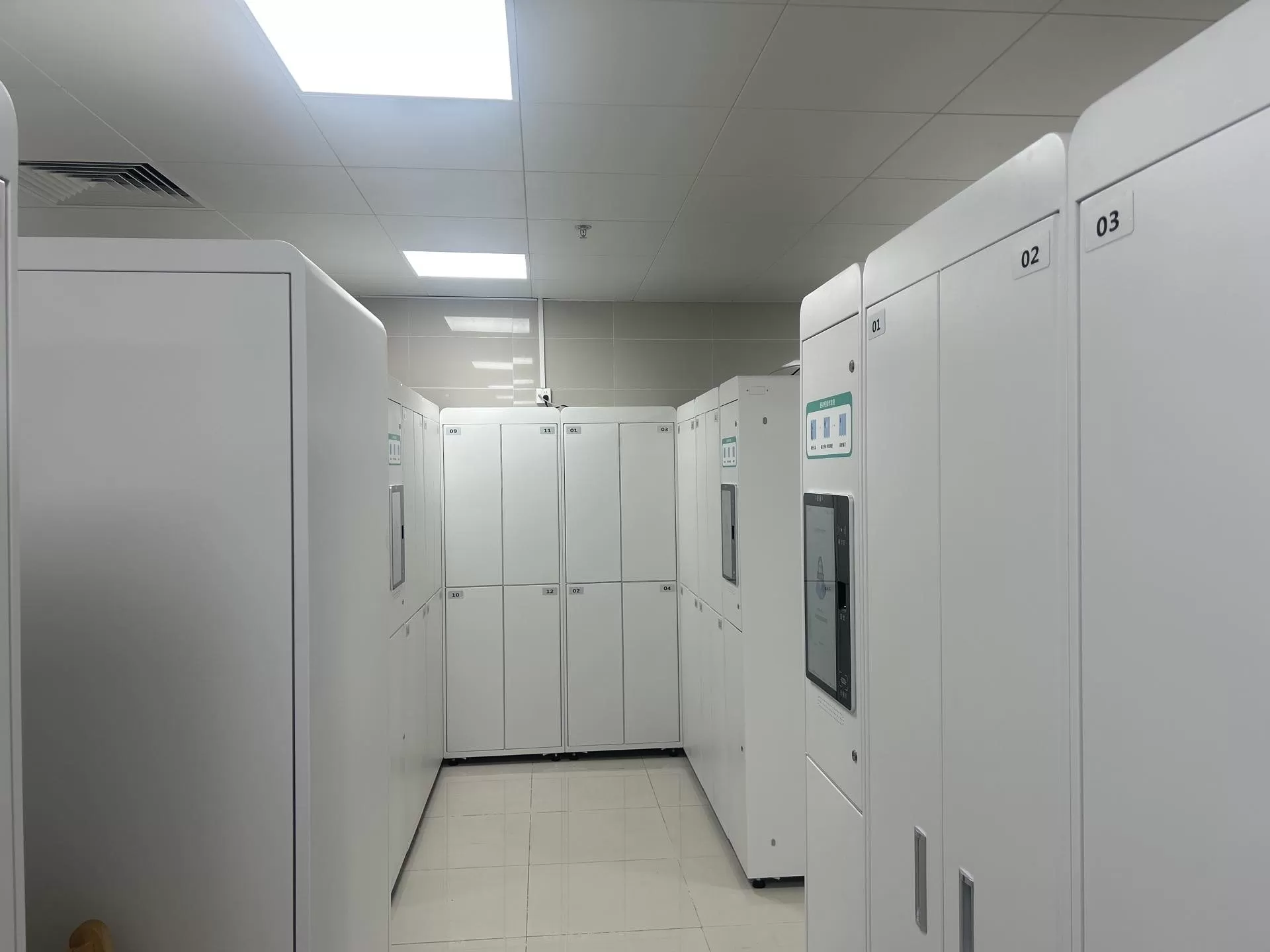
II. ZHILAI MED’s OR Behavior Management Solution: Addressing Pain Points with Clear Value
To tackle these issues, ZHILAI MED focuses on IPC enhancement, cost reduction with efficiency gains, and refined control, delivering a solution aligned with real hospital workflows. Through smart hardware + a digital management platform, it enables closed-loop management of OR personnel, supplies, and behaviors, delivering three key values:
1) Enhanced IPC safety to strengthen the OR safety barrier
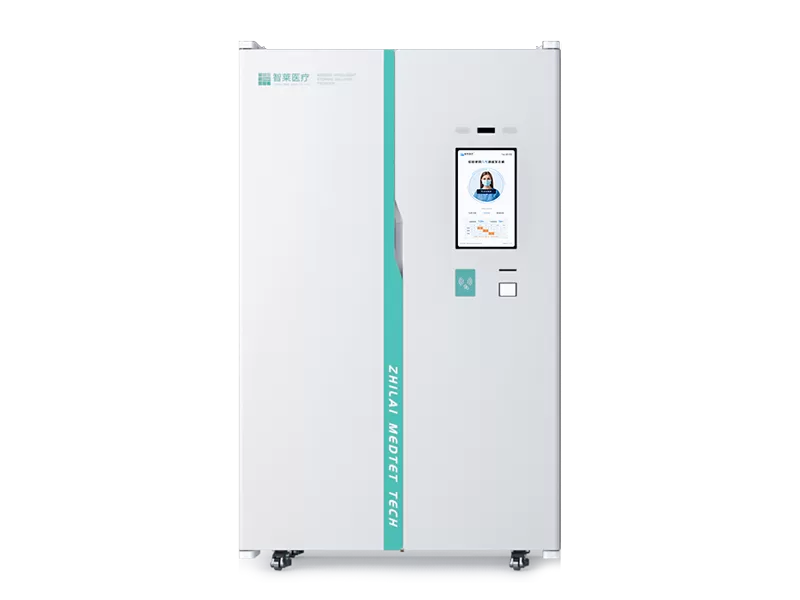
The solution enforces strict access control for medical staff and temporary personnel, preventing unauthorized entry and reducing IPC risk at the source. It also establishes a post-procedure closed-loop garment workflow: used garments are collected in isolation via smart collection devices, reducing cross-contamination risk and maintaining a clean and safe OR environment—fully aligned with hospital IPC requirements.
2) Reduced supply costs through refined cost control
It enables accurate, dynamic garment inventory management with real-time visibility of baseline stock, reducing overstocking and abnormal loss to lower financial costs. Intelligent garment turnover improves storage efficiency while reducing the workload of support staff—further cutting labor-related management costs and supporting hospital cost-saving initiatives.
3) Higher operational efficiency and better clinical experience
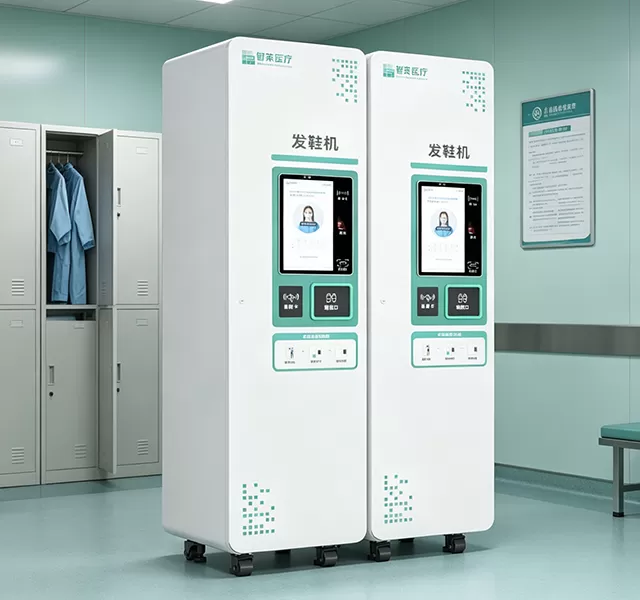
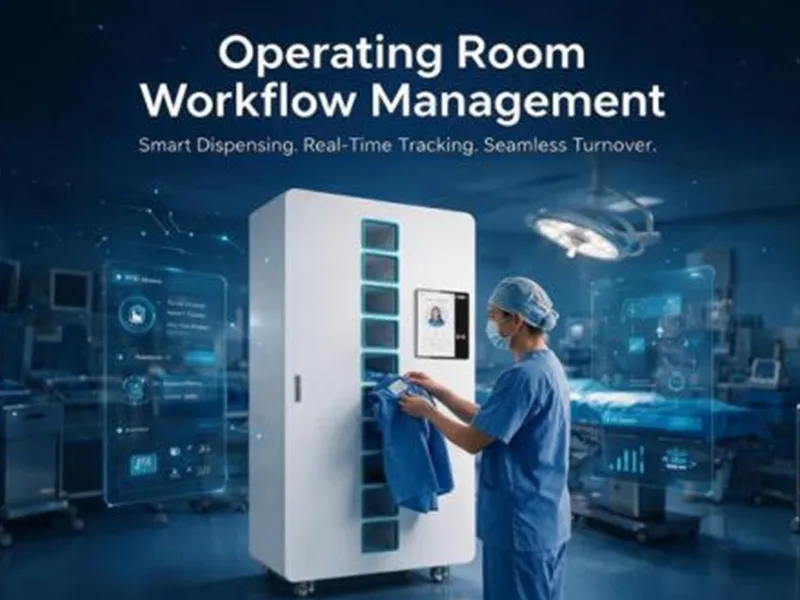
With intelligent dispensing equipment, garments can be issued automatically and quickly, preventing congestion during peak times and helping staff enter the OR on time—improving on-time surgery start rates. The changing environment is also optimized, ensuring orderly garment and locker management, improving staff comfort, and indirectly enhancing patient satisfaction.
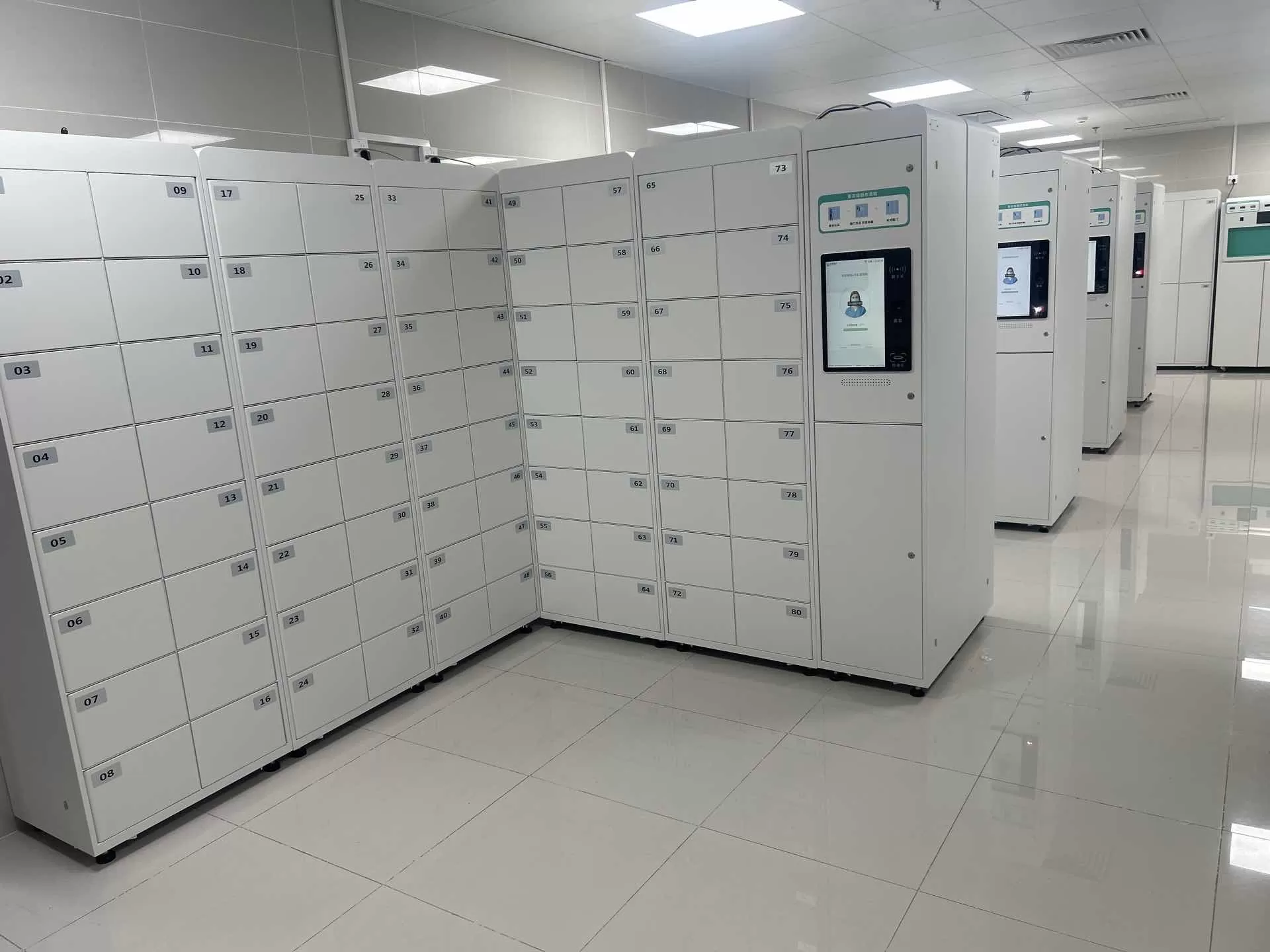
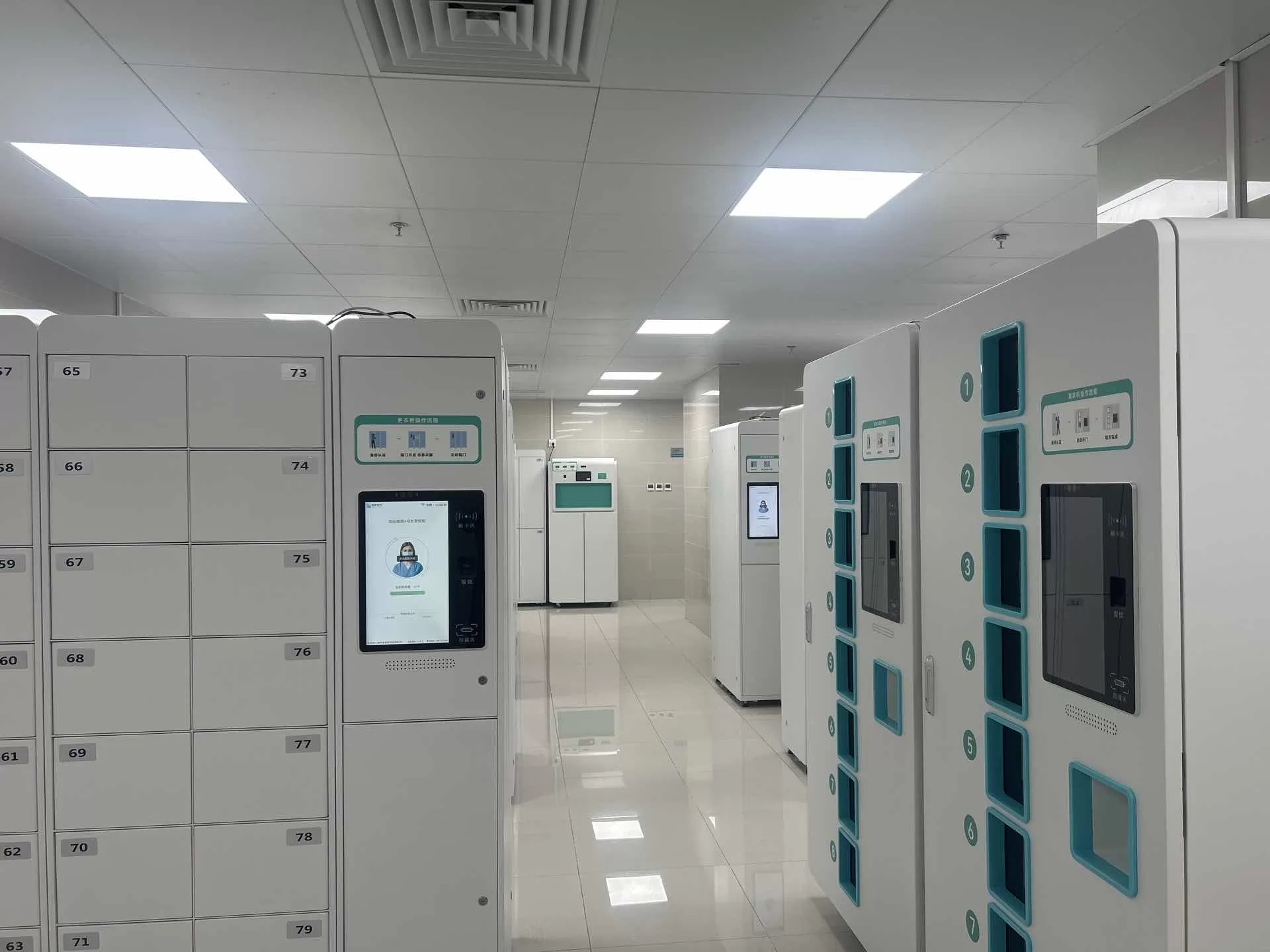
III. Deployment Results: A Benchmark Case
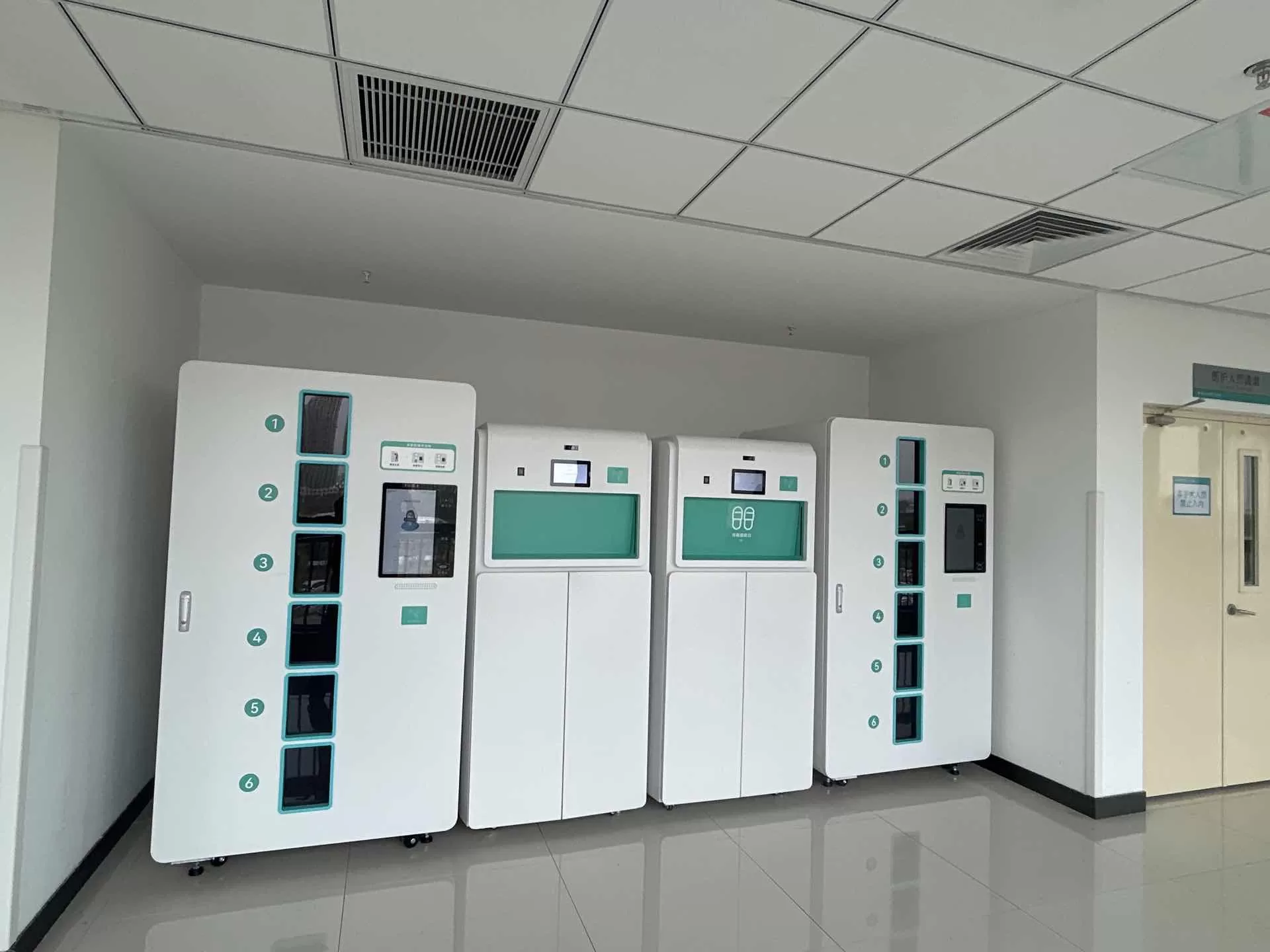
On December 15, 2025, ZHILAI MED's OR Behavior Management System was successfully launched simultaneously in the ORs of both the South and North campuses of The First Affiliated Hospital of Anhui University of Science & Technology—marking a new phase of digital and intelligent OR management.
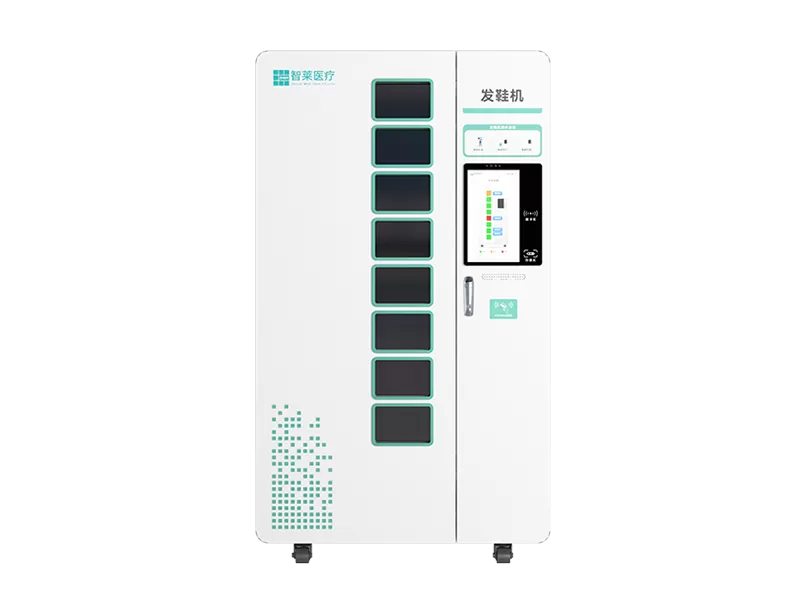
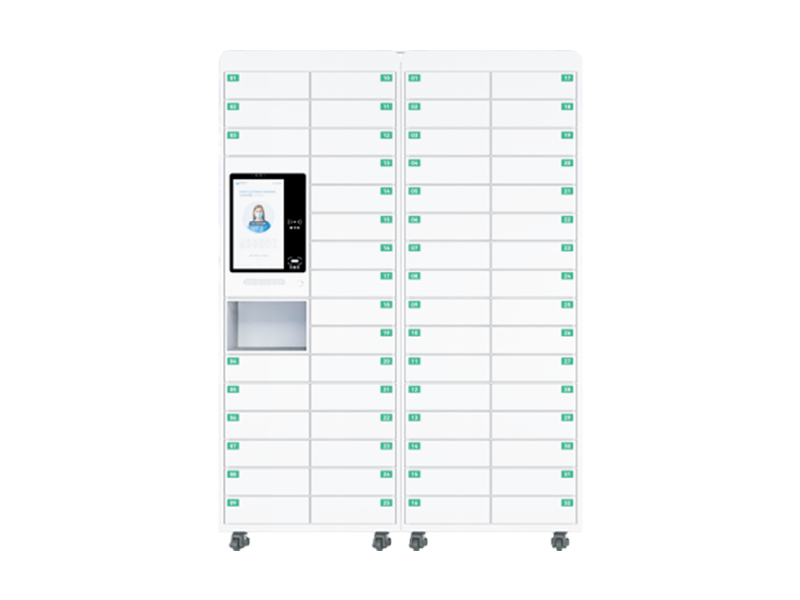
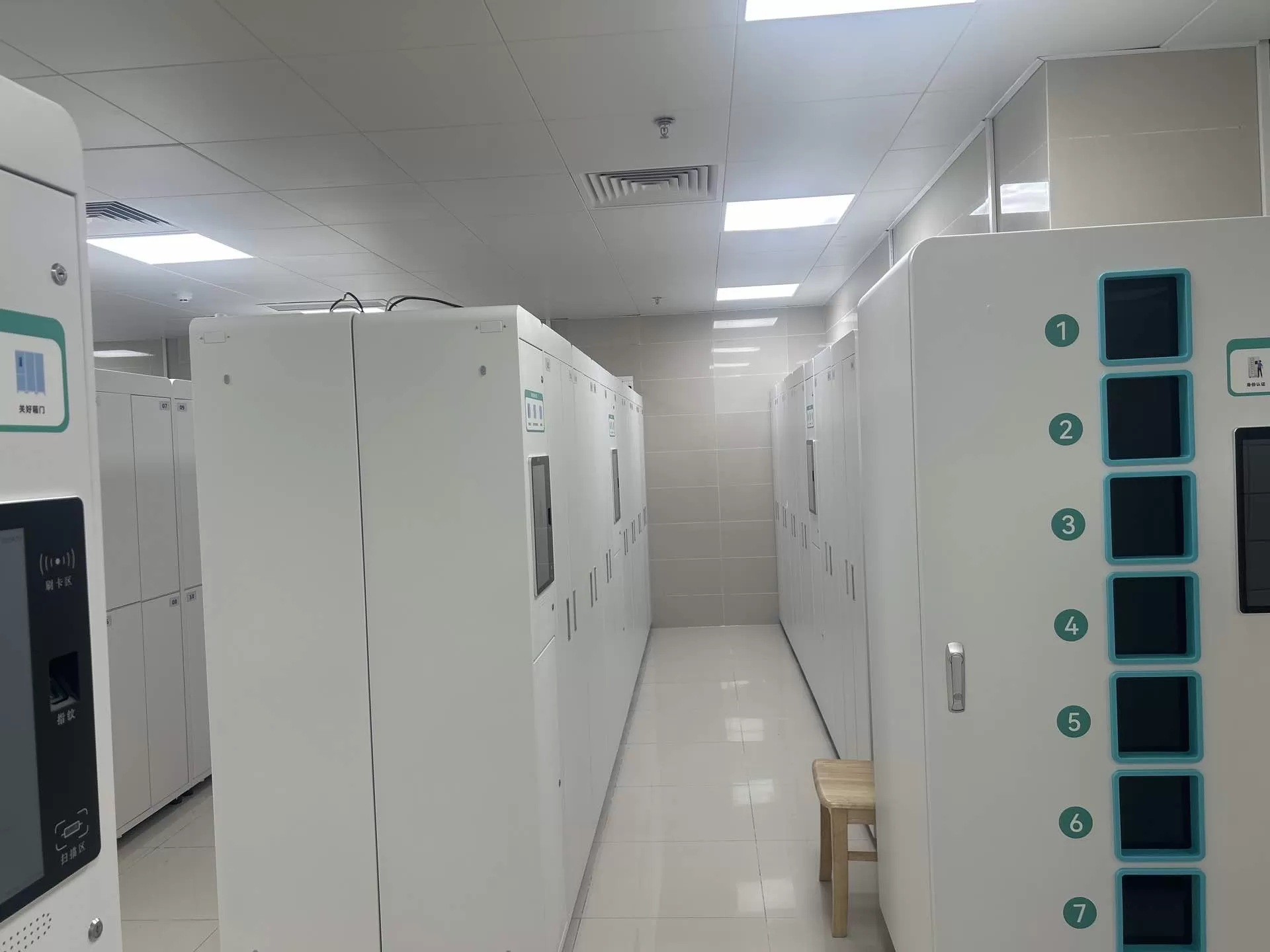
The deployment achieved full coverage across both campuses, including 16 smart issue/return devices and 200+ smart storage lockers, and integrated supporting modules such as smart access control, data visualization dashboards, and an orderly/general services management system—forming a cross-campus, integrated smart OR management platform.
After going live, the hospital achieved unified digital management of OR access, behavior compliance, supply circulation, and logistics dispatching. The system strengthened safety controls and workflow order, reduced garment loss and labor costs, and significantly improved cross-campus coordination and refined operational management through centralized data and visualization. The hospital highly recognized the outcome, establishing the project as a benchmark for OR behavior management upgrades in tertiary hospitals.
Looking ahead, ZHILAI MED will continue to deepen its focus on smart healthcare operations, iterate solutions based on real hospital needs, and provide more efficient, safer, and more economical OR behavior management services—supporting high-quality development for healthcare institutions.