

SHENZHEN ZHILAI SCI AND TECH CO., LTD.
  • automated shared workwear dispensing unit
  • automated shared workwear dispensing unit

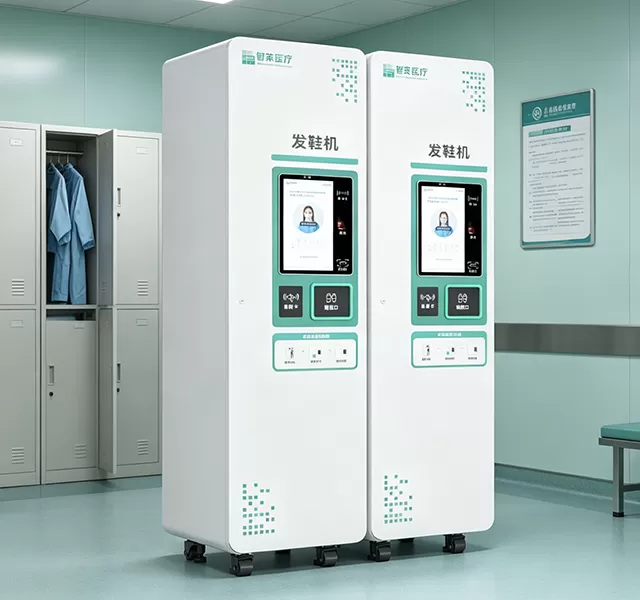
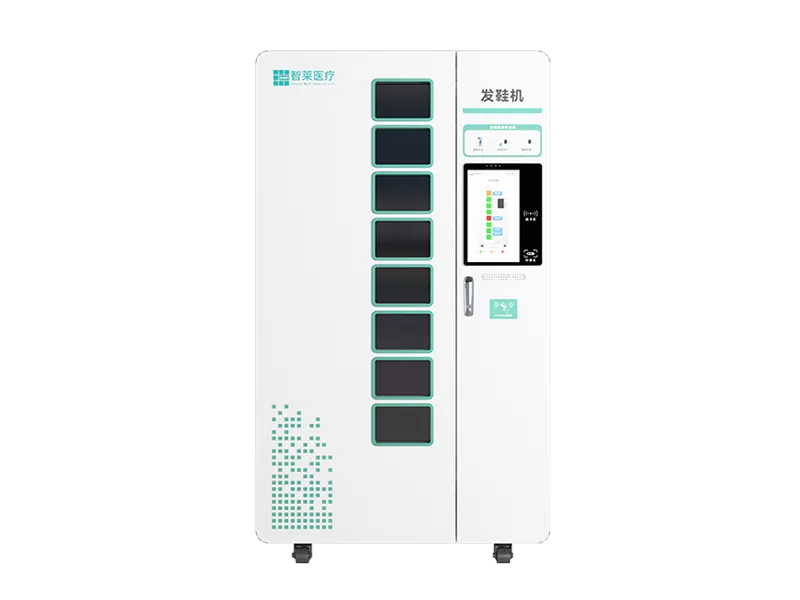
Automated Shared Workwear Dispenser

The ZHILAI MED Automated Shared Workwear Dispenser is designed for hospitals and controlled workplaces that manage clean uniforms as a shared inventory rather than assigning one fixed garment compartment to each employee. Each storage compartment can be independently replenished, counted and bound to a workwear specification, allowing different garment sizes or categories to be managed within the same dispensing system.

During replenishment, RFID-tagged workwear can be identified and directed to the compartment assigned to the corresponding specification. Authorized users then authenticate and collect the preset workwear size, while the system records the collected garment against the user according to the configured workflow.


           PRODUCT SPECIFICATION        

Specification of Automated Shared Workwear Dispensing Unit

The ZL-G30 and ZL-G31 are designed around compartment-based shared workwear distribution. The system combines independent storage compartments, RFID-assisted replenishment, multiple user authentication methods and modular cabinet configuration for different workwear specifications.

ModelZL-G30, ZL-G31
Dimensions (W×D×H)Main unit: 735 × 450 × 195 mm; Auxiliary unit: 735 × 450 × 195 mm
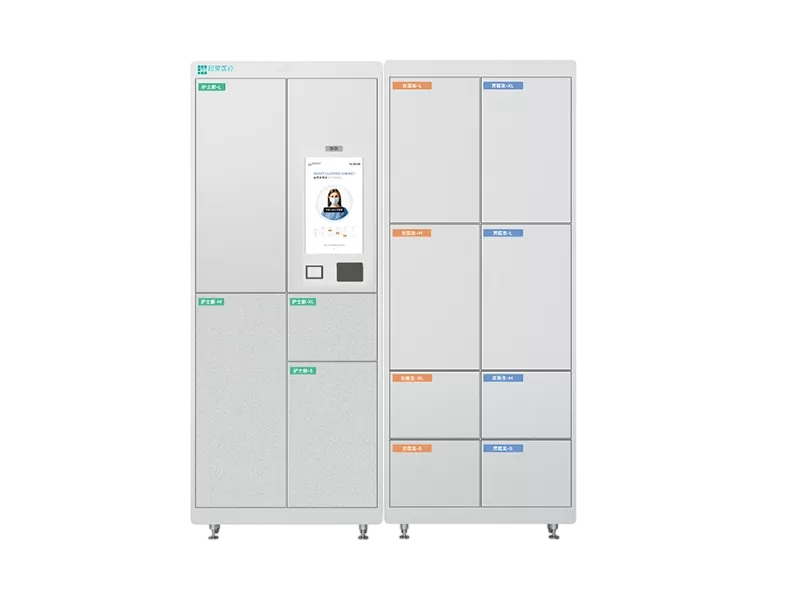
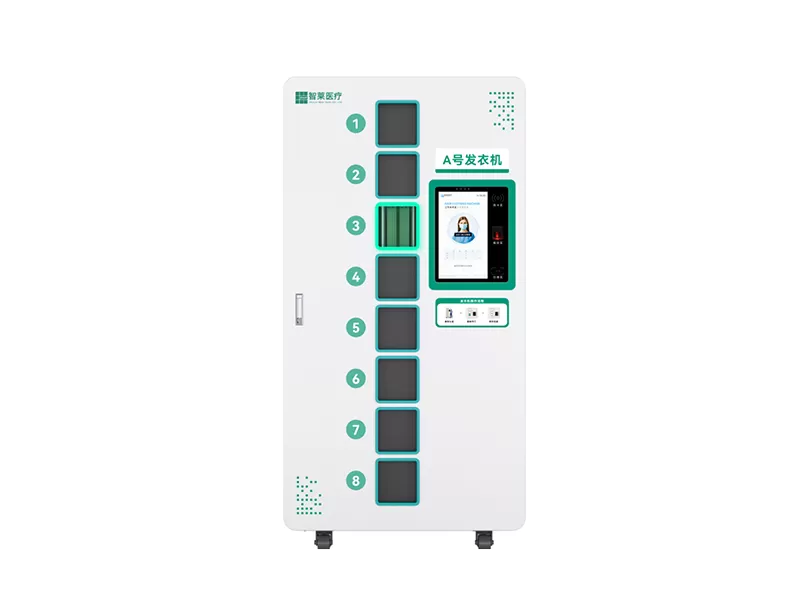
CompartmentsMain unit: 4 compartments; Auxiliary unit: 8 compartments
Touchscreen15.6-inch
CameraBinocular camera
ScannerSupports 1D barcode and QR code scanning
Card ReaderIC/RFID 2-in-1 card reader
CommunicationWired, Wi-Fi, 4G
Enclosure MaterialSheet-metal structure with electrophoretic coating; excellent anti-aging, salt-spray resistance, anti-mildew and antibacterial performance; better adapts to complex temperature/humidity and acid/alkali environments
Electronic LockZhilai self-developed electronic lock based on electromagnetic design; 360° anti-pry and anti-shim insertion; door open/close status detection; passed leakage, door magnetic, and pull-force tests; service life ≥ 100,000 cycles
Operating Environment
Operating Temperature0°C to +40°C
Storage Temperature-20°C to +60°C
Operating Humidity< 95% (+25°C)
Functions
Identity AuthenticationSupports facial recognition, IC card, code scanning, and account/password authentication.
ReplenishmentScan the RFID chip of the workwear. The cabinet automatically opens the door corresponding to that workwear specification. After placing the workwear into the compartment and closing the door, it automatically identifies the replenishment type and quantity.
Dispensing / CollectionUsers authenticate via multiple methods and then collect the preset size of workwear. The cabinet automatically binds the collected workwear with the user who collected it.

Key Features for Shared Workwear Distribution

Unlike a conventional locker that simply assigns one compartment to one person, this system is designed around shared clean-workwear inventory. Compartments can represent different garment specifications while replenishment and dispensing records are managed through the configured workflow.

01

Independent Inventory by Compartment

Each compartment can be replenished, dispensed and counted independently, making it easier to manage different workwear specifications within one system.

02

Flexible Specification Binding

Compartments can be configured for different garment sizes or workwear specifications according to the actual shared-inventory structure.

03

RFID-Assisted Replenishment

Replenishment staff scan the RFID chip of the workwear, after which the corresponding compartment can open for loading and the replenishment type and quantity can be recorded.

04

Multiple Authentication Methods

Facial recognition, IC card, code scanning and account/password authentication provide several ways to control staff access.

05

User-to-Workwear Binding

After authenticated collection, the system can associate the collected workwear with the user according to the configured dispensing workflow.

06

Modular Main + Auxiliary Design

The main unit provides 4 compartments, while the auxiliary unit provides 8 compartments, allowing the storage layout to be planned around the required workwear specifications.

       SHARED INVENTORY MODEL    

What Does “Shared Workwear” Mean?

In a shared workwear model, clean garments are managed as a common inventory for authorized users rather than permanently assigning one garment storage position to one employee. Users collect the workwear specification configured for them, while the cabinet manages inventory at the compartment level.

               Shared Inventory            Clean workwear is drawn from a common stock pool instead of a permanently assigned employee compartment.            
               Specification-Based Access      Compartments can correspond to selected sizes or workwear specifications.            
               RFID Replenishment            Tagged workwear can be identified during replenishment so it can be loaded into the corresponding specification compartment.            
               Collection Records            After user authentication and collection, the workwear can be associated with the authenticated user.            

How Compartment-Level Shared Workwear Inventory Works

The key advantage of this design is that the cabinet does not treat all workwear as one undifferentiated stock pool. Individual compartments can be configured and counted separately according to garment specification.

1

Bind a Specification

Configure a compartment for the relevant workwear size or specification.

2

Scan Tagged Workwear

During replenishment, scan the RFID chip associated with the workwear.

3

Load the Matching Compartment

The corresponding cabinet door opens so the workwear can be placed into the configured compartment.

4

Update Inventory

After the door closes, the replenishment type and quantity can be identified according to the configured workflow.

Why this matters: compartment-level inventory helps replenishment staff see which workwear specification needs attention instead of treating the entire dispenser as one total inventory figure.        

Main Unit vs Auxiliary Unit: How the Modular Configuration Works

ZL-G30 and ZL-G31 use a main-plus-auxiliary cabinet concept. The final combination should be planned according to the number of garment specifications, stock required between replenishment rounds and available installation space.

ConfigurationCompartmentsMain RolePlanning Consideration
Main Unit4 compartmentsCore operating unit with touchscreen and control functionsStart by defining the key workwear specifications that require controlled shared distribution.
Auxiliary Unit8 compartmentsExpands available shared-workwear storage positionsUseful when more sizes, specifications or stock positions are required.

The appropriate cabinet combination should be confirmed from the real garment specification mix and replenishment workflow rather than compartment count alone.

       SELECTION COMPARISON    

Shared Workwear Dispenser vs Working Clothes Dispenser

These two product families address different workwear-management structures. The Shared Workwear Dispenser is centered on specification-based shared inventory, while the Working Clothes Dispenser is better suited to projects that require dedicated and shared allocation flexibility.

ComparisonShared Workwear DispenserWorking Clothes Dispenser
Main PositioningShared workwear inventoryDedicated and shared workwear configurations
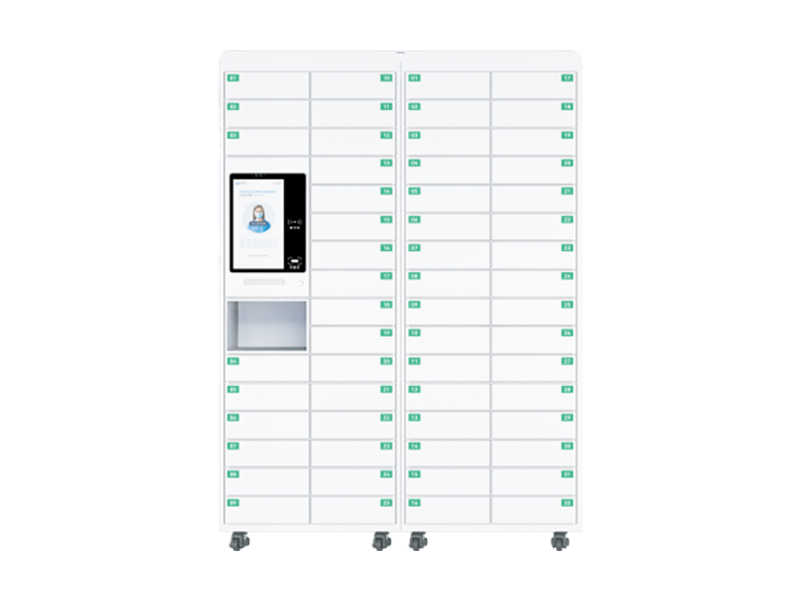
Cabinet StructureMain unit: 4 compartments; auxiliary unit: 8 compartmentsStarter: 25 compartments; Adder: 32 compartments
Inventory LogicIndependent inventory management by shared-workwear compartmentIndividual compartment structure supporting dedicated or shared allocation
Better FitFacilities mainly distributing standard workwear from a shared poolProjects needing stronger dedicated/shared allocation flexibility

Need a dedicated/shared compartment model instead? See the Working Clothes Dispenser.

How Shared Workwear Dispensing Works

The operating workflow is built around garment specification, RFID-assisted replenishment and authenticated collection.

01            Configure SpecificationsAssociate cabinet compartments with the required garment sizes or specifications.            
02            Scan WorkwearScan the RFID chip during clean-workwear replenishment.            
03            Load the CompartmentThe corresponding compartment opens so the identified workwear can be loaded.            
04            Authenticate the UserStaff authenticate through a supported identity method.            
05            Collect WorkwearThe user collects the preset workwear and the system can bind the collected garment with that user.            

Where Is a Shared Workwear Dispenser Used?

This type of dispenser is most relevant where standardized clean workwear is shared among authorized users and needs to be organized by garment specification rather than permanently allocated to one individual.

               HOSPITAL            

Hospital Staff Changing Areas

Suitable where doctors, nurses or other staff collect standardized clean workwear from shared inventory.

               SURGICAL            

Surgical Staff Areas

Can support shared garment specifications for rotating clinical teams where workwear is collected according to authorized user settings.

               MULTI-SHIFT            

Multi-Shift Workplaces

Useful where several shifts draw from a standardized pool of clean workwear rather than maintaining separate permanent compartments for every employee.

               CENTRALIZED            

Central Workwear Distribution Points

Helps organize multiple garment sizes or specifications at a controlled self-service collection point.

               INDUSTRIAL            

Factories & Controlled Workplaces

Suitable for workplaces that distribute standardized uniforms or protective workwear through a shared clean-stock model.

When Should You Choose a Shared Workwear Dispenser?

A Shared System May Be a Good Fit When:

  • Multiple employees use a common clean-workwear pool.

  • Garments are standardized by size or specification.

  • The workplace operates multiple shifts.

  • Workwear does not need a permanently assigned employee locker.

  • Inventory needs to be managed separately by garment specification.

Consider Another Configuration When:

  • Each employee requires a permanent individual compartment.

  • Personal garments must remain separated by user for long periods.

  • The project needs a dedicated-and-shared mixed allocation structure.

  • Individual compartment count is more important than shared specification inventory.

For these projects, compare the  Working Clothes Dispenser .

       CLOSED-LOOP WORKWEAR    

Connecting Shared Workwear Dispensing with Garment Return

The Shared Workwear Dispenser manages the clean-garment issue side of the workflow. Projects that also need to collect used workwear can connect dispensing with a dedicated return process so clean issue and used-garment collection operate as separate but connected steps.

For used-workwear collection, see the  Working Clothes Collection Machine .

For a wider workflow covering dispensing, storage, return and footwear management, see the Hospital Workwear & Shoe Management Solution.

       FAQ    

Automated Shared Workwear Dispenser FAQ

What is a shared workwear dispenser?

A shared workwear dispenser is a controlled self-service system that manages clean garments as shared inventory rather than permanently assigning one garment compartment to one employee. Different compartments can be associated with different garment specifications.

What is the difference between shared and dedicated workwear dispensing?

Shared dispensing allows authorized users to collect garments from a common inventory according to configured specifications. Dedicated dispensing assigns storage positions or garments more directly to individual users. The appropriate model depends on how the facility manages workwear ownership and allocation.

How does compartment-level inventory work?

Compartments are managed independently so different workwear specifications can be replenished and counted separately. This helps operators identify which specification requires replenishment instead of relying only on one total inventory figure.

How are garment sizes assigned to compartments?

Compartments can be configured for selected garment sizes or workwear specifications. The final allocation should reflect the actual size mix and replenishment demand of the facility.

How is RFID used during replenishment?

Replenishment personnel scan the RFID chip of the workwear. The corresponding compartment can then open for loading, and after the door is closed the system can identify the replenishment type and quantity according to the configured workflow.

Which authentication methods are supported?

The listed configuration supports facial recognition, IC card, code scanning and account/password authentication.

What is the difference between this model and the Working Clothes Dispenser?

The Shared Workwear Dispenser is centered on shared garment inventory managed by specification and compartment. The Working Clothes Dispenser provides a different compartment structure and is better suited where dedicated and shared allocation flexibility is required.

Can the dispenser connect with a workwear return system?

The dispensing unit manages clean-workwear collection by authorized users. Where a project also requires used-garment return, a separate workwear collection machine can be included in the wider workflow.

Need a Different Workwear Dispensing Configuration?

Shared workwear dispensing is one configuration within ZHILAI MED's wider automated uniform distribution range. Compare garment type, allocation method, required compartment structure, replenishment workflow and expected user demand before selecting the final equipment.

       Compare Automated Uniform Dispensers                View Workwear Management Solution    

Automated Shared Workwear Dispenser Project Cases

Shandong Provincial Hospital
Anhui University of Science and Technology Affiliated Hospital
Anhui Medical University First Affiliated Hospital
Chinese Pla General Hospital
Contact Us

Industry Pioneer With 27 Years Of Technological Accumulation


We use cookies to offer you a better browsing experience, analyze site traffic and personalize content. Part of the tracking is necessary to ensure SEO effectiveness,
By using this site, you agree to our use of cookies. Visit our cookie policy to learn more.
Reject Accept