SHENZHEN ZHILAI SCI AND TECH CO., LTD.
ZHILAI MED smart storage cabinets provide secure, access-controlled storage for hospital staff clothing, footwear and personal belongings. Choose from smart changing lockers and smart shoe changing lockers, with fixed or shared compartment allocation and modular layouts to suit staff numbers, shift patterns and available changing-room space.

Explore Our Smart Storage Cabinet

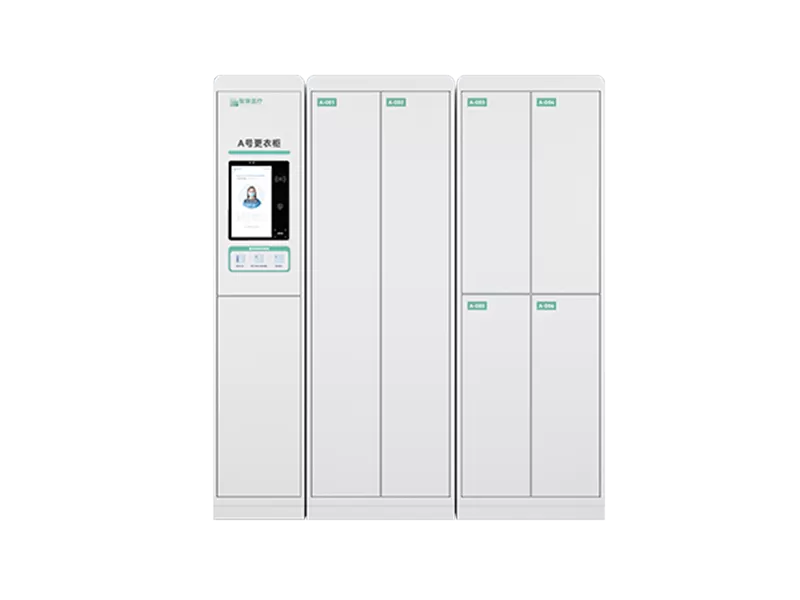
  • Smart Changing Locker
    The Smart Changing Locker is an intelligent storage and management solution for smart hospitals. Using IoT and automated control, it securely stores staff clothing and personal items, standardizes operating-room workflows, and enables traceable management for both fixed and shared lockers, improving OR efficiency and safety.
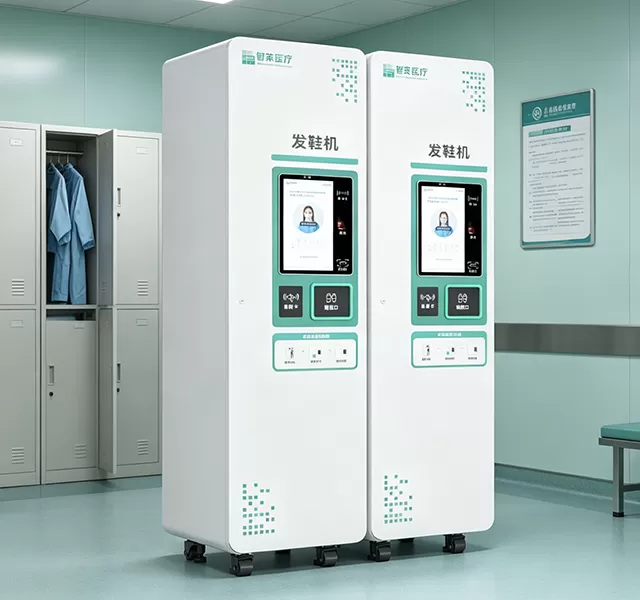
  • Smart Shoe Changing Locker
    The Smart Shoe Changing Locker is an intelligent management solution for smart hospitals. Powered by IoT and automated control, it supports secure storage and efficient management of staff shoes and personal items, standardizes operating-room workflows, and enables traceable use of both fixed and shared lockers to improve OR efficiency and safety.

Why Choose ZHILAI Smart Storage Cabinet?

01
Modular & Scalable

Master-and-extension cabinet design enables flexible expansion as needed to meet storage demands across scenarios.

02
Fast & Efficient Access

Self-service garment storage and retrieval with quick door-opening response to improve efficiency and user experience for medical staff.

03
Durable & Easy to Clean

Made of thickened galvanized steel sheet with multiple anti-rust and anti-corrosion processes; wear-resistant, stain-resistant, and easy to clean.

04
High-Level Security Protection

Equipped with anti-pry locks and emergency devices; door status can be monitored for enhanced safety.

How Smart Storage Cabinets Fit Into the Staff Changing Workflow

Authenticate & Assign a Locker

Staff authenticate using face recognition, IC card or account credentials. Based on the configured locker policy, the system can open a permanently assigned locker or allocate an available shared locker.

01
Store Clothing, Personal Items or Footwear

Staff place personal clothing, bags or work shoes into the assigned compartment and securely close the door. Smart changing lockers and shoe changing lockers can be configured separately according to the changing-room layout.

02
Retrieve Items & Complete the Locker Cycle

After the shift, staff authenticate again to retrieve their belongings. A fixed locker remains assigned to the same user, while a shared locker can be released back into the available locker pool for the next authorized user.


03

Typical Hospital Changing-Room Deployment

Typical Hospital Changing-Room Deployment

1. Operating Room Staff Changing Areas
Smart storage cabinets can be installed in operating room changing areas to provide controlled storage for staff clothing, personal belongings and work footwear before entering clinical zones.

2. Central Hospital Staff Changing Rooms
For large staff changing rooms, modular locker configurations can help hospitals organize storage for different departments, shifts and user groups.

3. Surgical Centers & Procedure Departments
Smart changing lockers and shoe changing lockers can support staff who require secure personal storage before changing into designated workwear or footwear.

4. Shared Lockers for Rotating Staff
Shared locker allocation is suitable for rotating shifts, temporary personnel and other users who do not require a permanently assigned compartment.

5. Fixed Lockers for Regular Employees
Departments with long-term staff can assign dedicated lockers to individual users, allowing employees to return to the same storage compartment each shift.

6. Combined Clothing & Shoe Storage
A hospital changing room can use smart changing lockers together with smart shoe changing lockers to separate personal clothing, belongings and footwear according to the facility layout.

           CABINET SELECTION        

Choose the Right Smart Storage Cabinet for Your Hospital Changing Room

Hospital changing rooms often need to manage more than one type of staff storage. Personal clothing, bags and daily belongings require a different compartment structure from staff footwear. Choosing the right smart storage cabinet therefore starts with understanding what employees need to store and how the hospital plans to allocate lockers between users and shifts.

Storage RequirementSmart Changing LockerSmart Shoe Changing Locker
Personal ClothingSuitable for staff clothing and changing-room storageNot the primary use
Bags & Personal BelongingsSuitableDepends on compartment configuration
Staff FootwearNot the primary useDesigned for shoe-changing and footwear storage
Fixed Locker AllocationSupportedSupported
Shared Locker AllocationSupportedSupported
Typical Hospital UseStaff changing rooms, operating-room changing areas and personal-item storageShoe-changing zones, work footwear storage and controlled footwear management
           CHANGING-ROOM DESIGN        

One Changing Room, Two Different Storage Needs

A hospital employee may arrive wearing personal clothing and street shoes, change into designated workwear and footwear, and then need secure storage for personal items throughout the shift. For this reason, a changing room often has two separate storage requirements rather than one universal locker type.

01

Clothing & Personal Belongings

Smart changing lockers provide secure compartments for personal clothing, bags and other belongings while staff members are working in clinical areas. Depending on the hospital's locker policy, compartments can remain assigned to individual employees or be shared between rotating users.

               Explore Smart Changing Locker →            
02

Footwear & Shoe Changing

Smart shoe changing lockers provide dedicated storage for personal shoes and designated work footwear. Separating footwear storage from clothing lockers can make the changing-room layout easier to organize according to staff movement and hospital footwear policies.

               Explore Smart Shoe Changing Locker →            

A complete hospital changing-room project may use both cabinet types.            The final combination depends on staff workflow, changing-room layout, footwear policy, employee numbers and whether compartments are permanently assigned or dynamically shared between shifts.

           LOCKER ALLOCATION        

Fixed, Shared or Hybrid Locker Allocation?

The number of physical lockers a hospital requires depends not only on employee headcount, but also on how compartments are assigned. Permanent staff, rotating clinical teams, temporary personnel and visiting employees may need different locker-allocation rules.

               OPTION 01            

Fixed Allocation

One locker remains assigned to the same employee over time. This model is suitable for permanent staff who require predictable access to the same storage compartment during every shift.

Best suited to:                long-term staff and departments with stable user populations.

               OPTION 02            

Shared Allocation

An available compartment can be allocated when an authorized employee arrives and released after use. Shared allocation can improve locker utilization when different users occupy the changing room at different times.

Best suited to:                rotating shifts, temporary users and changing rooms with limited space.

               OPTION 03            

Hybrid Allocation

A hybrid system combines dedicated and shared lockers in the same changing-room project. Selected employees retain permanent compartments while another group of lockers remains available for rotating personnel.

Best suited to:                hospitals with a mixture of permanent, rotating and temporary staff.

The correct allocation model should be based on staff schedules, peak simultaneous users and the hospital's changing-room policy. For detailed planning, see our  Hospital Staff Locker Planning: Fixed, Shared or Hybrid? 

           PROJECT PLANNING        

How to Plan a Smart Storage Cabinet System

Before determining cabinet quantity, compartment size or final installation layout, hospitals should first define who will use the changing room, what each user needs to store and how the storage system should operate across different shifts.

01

How Many Staff Use the Changing Room?

Record both total employee numbers and the maximum number of users likely to need lockers at the same time. Peak simultaneous demand is usually more useful for layout planning than total hospital headcount alone.

02

Which Users Need Permanently Assigned Lockers?

Identify employees who require dedicated storage and compare them with rotating, temporary or visiting staff who may be able to use shared lockers.

03

What Will Employees Store?

Determine whether lockers need to accommodate personal clothing, bags, everyday belongings, footwear or a combination of items. This decision helps determine whether changing lockers, shoe lockers or both are required.

04

Should Clothing and Footwear Be Stored Separately?

Some changing-room layouts use separate clothing and footwear zones. If this applies to the project, smart changing lockers and smart shoe changing lockers can be planned as complementary storage systems.

05

What Installation Space Is Available?

Measure usable wall length, circulation paths, entrance and exit positions, nearby benches and other equipment before defining the final cabinet quantity and arrangement.

06

Is Future Expansion Expected?

Consider expected changes in staff numbers, department expansion and future changing-room requirements. A modular cabinet layout can make later expansion easier than redesigning the complete storage area.

           Prepare these six project details before selecting the final cabinet configuration.        

Once the user population, allocation method, storage type and available installation space are clear, the project team can make a more accurate decision about locker quantity, changing-locker and shoe-locker combinations, and future expansion requirements.

For detailed locker-capacity planning, see our  Hospital Staff Locker Planning Guide.

FAQs for Smart Storage Cabinet Buyers

Software Hardware
  • Q

    Do you provide a complete management system?

    A

    Yes, we provide a full-featured web-based management dashboard (PC browser access) that covers all core management functions.

  • Q

    Does the system support English language?

    A

    Yes, the system fully supports English interface.

  • Q

    Can I see the following data from your software: Real-time inventory, User tracking, Usage reports?

    A

    Yes, all of these are supported: Real-time inventory status, User transaction records and tracking and Usage reports and statistics


  • Q

    Is the system cloud-based or local server?

    A

    We support both deployment options — cloud-based or on-premises local server — based on your hospital's IT policy and requirements.

  • Q

    Do the smart storage cabinet continue to operate during a power outage?

    A

    ZHILAI smart storage cabinet continue to operate after a power outage and can function for more than 5 hours without power.

  • Q

    Do your smart storage cabinet have CE certification?

    A

    The CE certification process has officially begun, and we expect to receive the certificate in the third quarter. For many years, ZHILAI has led the smart storage equipment market. Our products have undergone multiple rounds of testing and market validation, and their consistent quality is widely recognized. You can rest assured about the quality of our products.


  • Q

    Can this cabinet layout be flexibly adjusted based on the size of the installation site?

    A

    We supports modular, free-form assembly, allowing you to customize the number of cabinet rows according to the actual site dimensions and the number of users, making it suitable for a wide range of installation scenarios.

  • Q

    Is the failure rate high during daily use, and how durable are the locks?

    A

    Equipped with custom-designed electronic locks, the opening and closing mechanism has a service life of over 300,000 cycles. The entire unit undergoes rigorous quality control testing, ensuring stable and durable operation, and requires minimal daily maintenance.

  • Q

    If an issue occurs during unattended use, will I be notified promptly?

    A

    The system features remote management, dedicated locker assignment, and automatic alerts for abnormalities. It also provides real-time voice prompts if a cabinet door is not closed properly, ensuring intelligent monitoring throughout the process for a worry-free experience.

Contact Us

Industry Pioneer With 27 Years Of Technological Accumulation


We use cookies to offer you a better browsing experience, analyze site traffic and personalize content. Part of the tracking is necessary to ensure SEO effectiveness,
By using this site, you agree to our use of cookies. Visit our cookie policy to learn more.
Reject Accept