27 Years of Expertise, an Industry Pioneer with Listed-Company Quality Assurance—Factory-Direct Supply with Lifetime Warranty
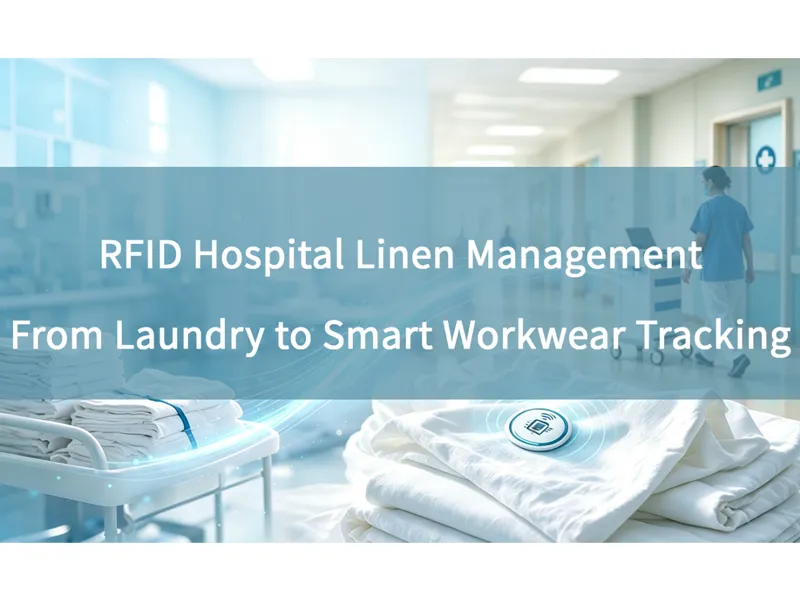
In daily hospital operations, managing medical textiles (commonly called “linen”) is often an overlooked yet frustrating task. Surgical gowns, patient gowns, scrub suits, towels—these textiles circulate every day among wards, operating rooms, and laundries. Traditional manual counting and paper-based records are not only inefficient, but also frequently lead to losses, misdelivery, and elevated cross-infection risks. Today, Zhilai Medical’s Medical Textile (Linen) Management Solution is reshaping this workflow through IoT technology.
Three Major Pain Points in Hospital Linen Management
After communicating with many hospitals, Zhilai Medical found that traditional linen management typically faces three core challenges:
1) Low management efficiency.
In the past, hospital laundries often relied on manual counting and handwritten logs. The receipt, dispatch, washing, and inventory of hundreds or even thousands of items per day depended on “human memory + Excel.” During seasonal changes or surgical peak periods, accounts easily fail to reconcile, resulting in serious losses and high attrition.
2) High infection-control risk.
If there is no effective tracking and disinfection supervision during collection, transport, washing, and distribution, contaminated textiles may be mixed in, creating hidden risks of cross infection. Sterile linens used in operating rooms require extremely high cleanliness standards; any failure at any step can threaten patient safety.
3) Difficult traceability.
When a uniform or patient gown “goes missing,” traditional methods can hardly determine which department it went to, who collected it, or whether it has been washed. This “black box” status leaves hospital managers in a very passive position.
Zhilai Medical’s Approach: “Smart Hardware + Smart Cloud Platform”
To address these pain points, Zhilai Medical leverages its accumulated IoT expertise to deliver a medical textile management solution built on RFID (Radio Frequency Identification) and big data. The core concept is to give each textile a unique “electronic ID,” enabling “one item, one code” and full lifecycle traceability.
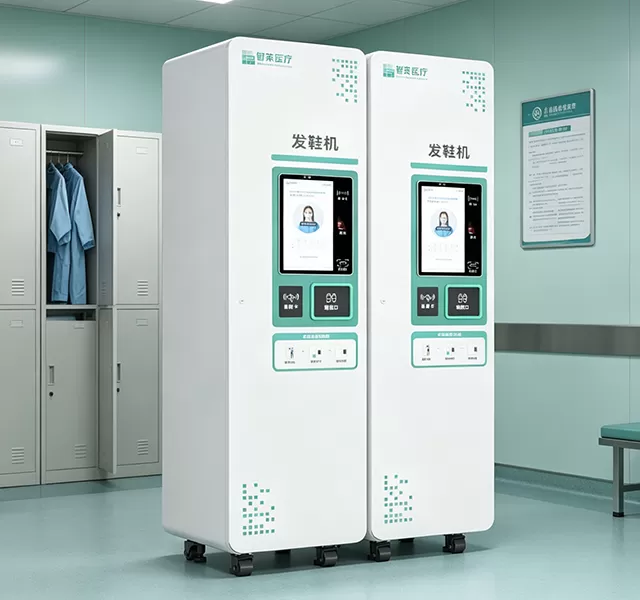
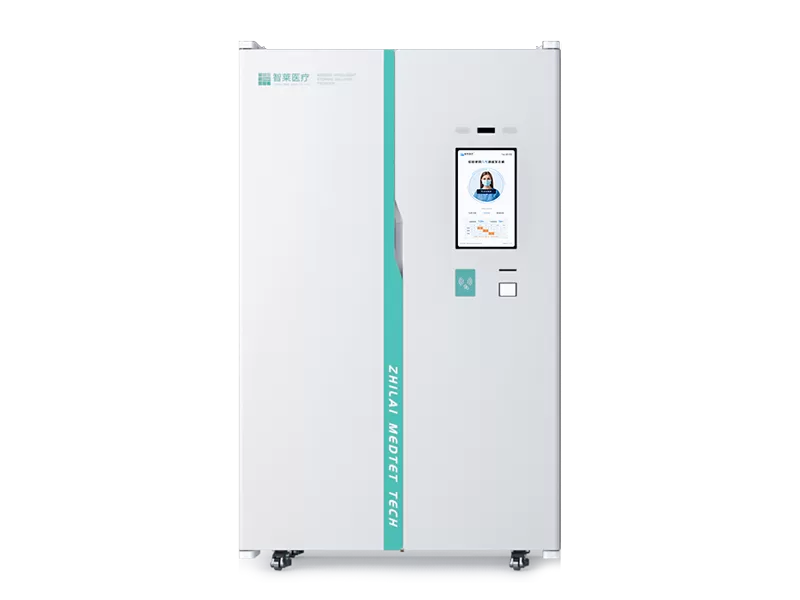
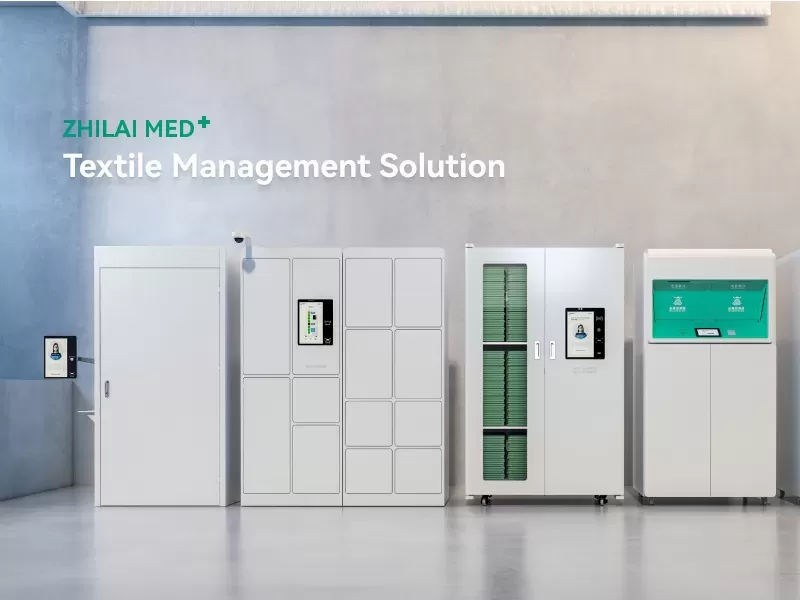
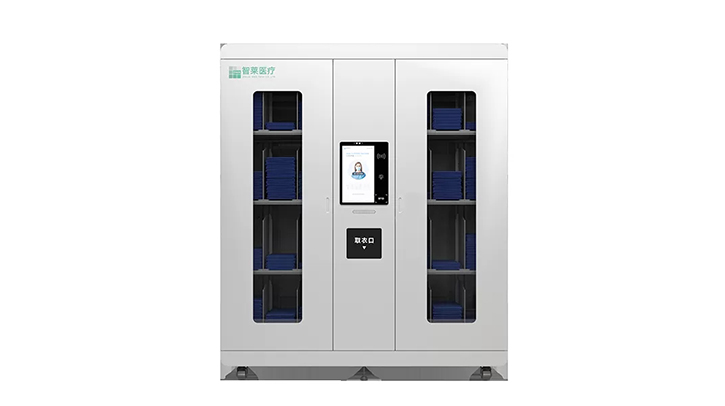
Specifically, each surgical gown, patient gown, or staff uniform is sewn with a high-temperature- and wash-resistant RFID tag. This tag acts like the linen’s “ID card,” storing key information such as type, size, department assignment, purchase date, and number of wash cycles. When linens pass through smart dispensing cabinets, smart collection cabinets, or tunnel inventory scanners, the system reads tag data in bulk—no need to scan items one by one.
At distribution, clinical staff authenticate by employee card or facial recognition. The smart cabinet automatically releases linens matching the user’s permissions, while the system records “who collected which item, and when.”
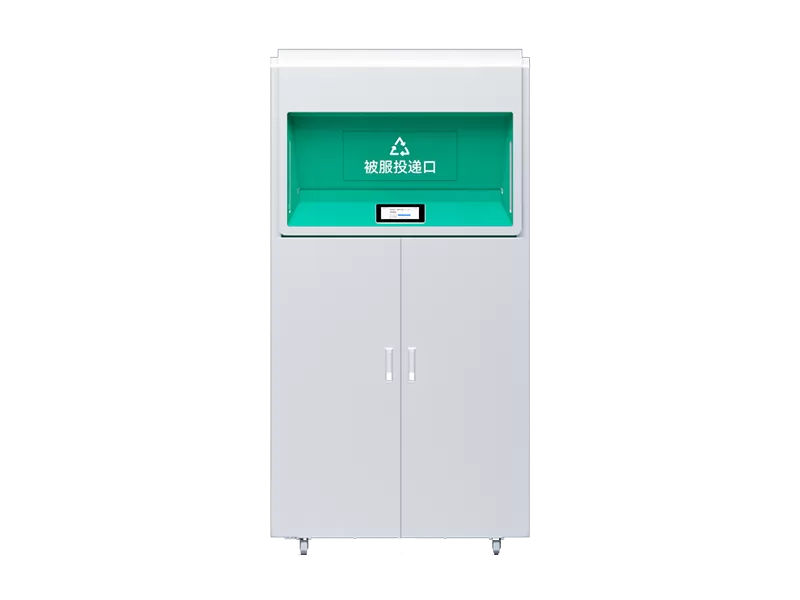
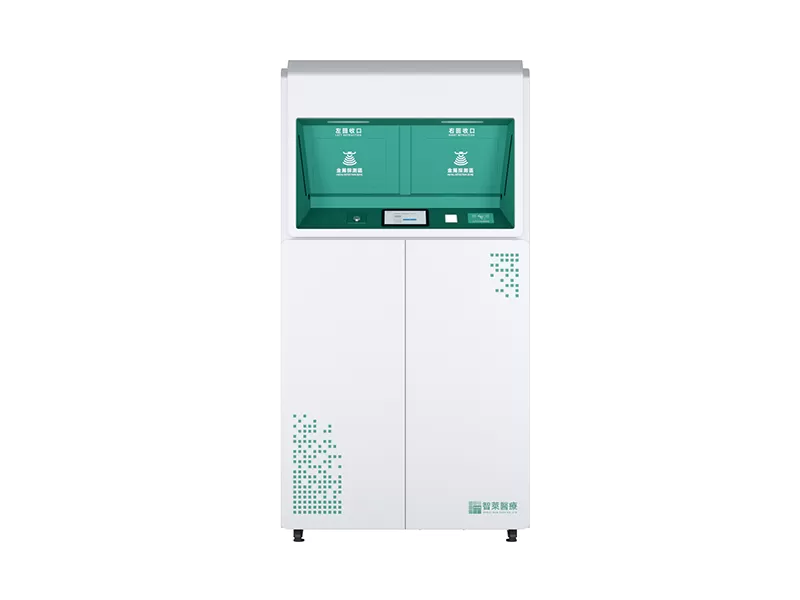
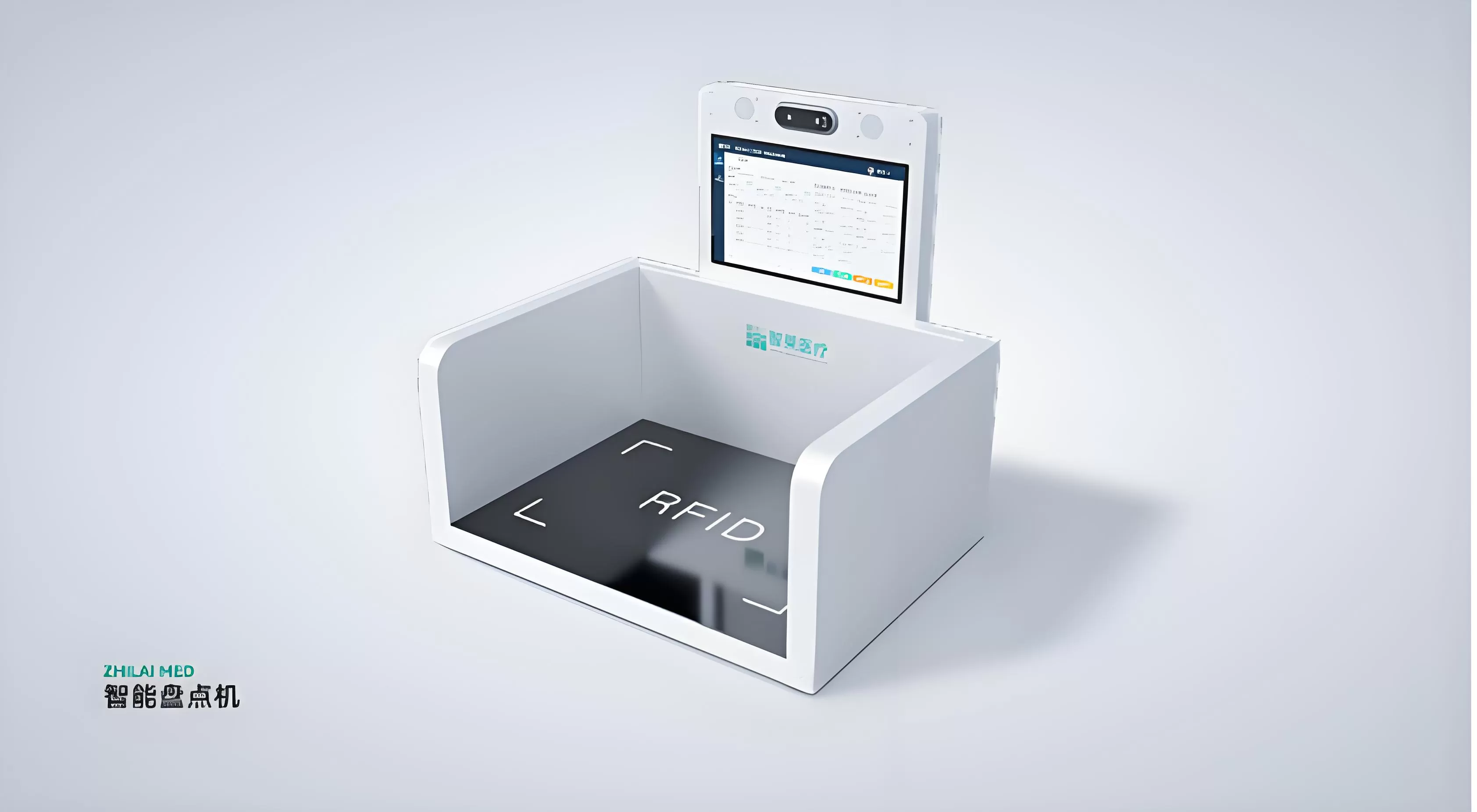
At return, staff simply drop used linens into the smart return port; the system automatically identifies them and updates the status to “returned.”
During washing, tagged linens pass through the RFID tunnel reader in batches. The system automatically counts quantities, records wash cycles, and integrates with the laundry provider’s system to ensure every item completes standardized cleaning and disinfection. When any item reaches its wash-cycle limit, the system triggers an alert to prompt replacement.
All data is uploaded in real time to the cloud management platform. Via PC or mobile phone, administrators can view a hospital-wide “live map” of linens: current inventory, what is in washing, what is nearing end-of-life, and which departments show abnormal usage—everything is under control.
Measurable Results
A good solution speaks with data. Zhilai Medical’s medical textile management solution has been successfully deployed in 200+ hospitals nationwide, serving 18,000+ users in total. Hospitals generally report reduced linen loss rates, shorter counting time, and significantly lower infection-control risks.
At one large Grade-A tertiary hospital, the laundry previously needed 4 staff members and 3 hours to complete daily linen counts. After adopting Zhilai Medical’s solution, 1 staff member can complete batch inventory in 1 hour using an RFID tunnel scanner—with zero data errors. Operating room nurses no longer spend time searching for properly sized scrub suits; with face recognition, they can quickly collect items from the smart cabinet, improving on-time surgery start rates.
The Strength Behind a Listed Company: 27 Years of Accumulation, 742 IP Rights
Zhilai Medical’s commitment to the high-barrier niche of medical textiles is backed by the robust R&D and manufacturing capabilities of its parent company, Zhilai tech. Founded in 1999, Zhilai tech has nearly 27 years of technical expertise.
In terms of technology reserves, Zhilai tech holds extensive patents and software copyrights, has obtained 12 international certifications, and has 1,500+ professional technical personnel in its R&D team. Its smart hardware must pass 40 stringent production processes and 14 aging and lifetime tests before leaving the factory, ensuring stable and reliable performance even under high-frequency hospital use.
Its service network is another key advantage. Leveraging Zhilai tech’s service coverage across 50+ countries and regions worldwide, Zhilai Medical provides 24/7 rapid-response support, eliminating concerns that “no one will fix the equipment when it breaks.”
Making Every Linen Item “Speak”
Linen management may look like a small matter in hospital operations, but it directly affects infection control, operating costs, and staff satisfaction. With IoT technology, Zhilai Medical enables previously “silent” linens to “speak,” so administrators can see clearly, manage effectively, and trace accurately.
If your hospital is troubled by linen loss, time-consuming counting, or poor traceability, visit Zhilai Medical’s official website to learn how this professional team—backed by 27 years of technical accumulation and extensive healthcare experience—can help you break through management bottlenecks with “one item, one code.”