Solving Compliance, Loss Prevention, and Operational Efficiency Challenges in Modern Hospitals
Currently, healthcare facilities worldwide face some problems, such as increasingly stringent infection-control standards and rising labor costs, traditional linen management methods—including manual recordkeeping, paper-based logs, and open storage systems—are no longer sufficient.
Medical textiles, including bed linens, surgical garments, patient apparel, and staff uniforms, are among the most frequently circulated assets within healthcare facilities. Yet they are often overlooked as a major source of operational inefficiency, inventory loss, and infection-control risk.
Therefore, we will explores the key challenges facing hospitals and commercial laundry providers and explains how ZHILAI RFID linen tracking system can deliver measurable improvements in compliance, visibility, and cost control.
1. Key Challenges in Traditional Hospital Linen Management
1.1 High Linen Loss Rates Lead to Significant Hidden Costs
According to the TRSA’s new study, “Nearly 90% of all linen used in U.S. hospitals does not reach the end of its useful life, costing the healthcare industry more than $840 million annually.”This figure does not include the loss at smaller retail medical facilities. Reducing linen loss can become a significant cost savings for medical facilities.
Without item-level tracking, hospitals often struggle to distinguish between actual losses and linens that have simply accumulated in wards, departments, or storage rooms. Studies have shown that nearly 30% of linens reported as "missing" are actually being stockpiled within hospital departments rather than permanently lost.
As a result, healthcare facilities frequently purchase replacement inventory unnecessarily, increasing operational expenses and tying up capital in excess stock.
Common consequences include:
· Excessive linen replacement costs
· Overstocking and inventory waste
· Limited visibility into linen utilization
· Budget overruns caused by inaccurate inventory data
1.2 Manual Inventory Processes Are Labor-Intensive and Error-Prone
Manual linen counting remains common in many healthcare facilities worldwide. However, this approach is both time-consuming and unreliable.
Industry studies indicate that manually counting 100 textile items typically requires 28–32 minutes, while inventory accuracy errors can exceed 22%.
For hospitals in North America, Europe, and Australia—where labor costs continue to rise—maintaining dedicated personnel for linen counting, auditing, and handover processes significantly increases operating expenses.
Even with substantial labor investment, discrepancies between recorded inventory and actual stock levels remain difficult to eliminate.
Challenges of manual inventory management:
· High labor requirements
· Frequent counting errors
· Delayed inventory updates
· Lack of real-time visibility
Compared with manual inventory procedures, ZHILAI MED RFID automation dramatically improves efficiency and accuracy.For example, in a large hospital deployment, RFID-enabled inventory verification reduced the processing time for a 400-item linen transfer from approximately 1.6 hours to just 0.15 hours—an efficiency improvement of nearly 90%.
1.3 Compliance Risks Related to Infection Control and Accreditation Standards
Healthcare regulatory bodies increasingly require strict controls over the handling and movement of medical textiles.
The U.S. Centers for Disease Control and Prevention (CDC) recommends physical separation between clean and contaminated textiles, one-way workflow processes, and dedicated storage areas to minimize cross-contamination risks.
Similarly, international accreditation organizations such as Joint Commission International (JCI) require healthcare facilities to maintain traceable records documenting linen distribution, collection, laundering, and lifecycle management.
Traditional paper-based systems often fail to provide complete, auditable records, making compliance inspections and accreditation reviews more challenging.
Potential compliance issues include:
· Incomplete audit trails
· Unverified linen movement records
· Inadequate segregation of clean and soiled textiles
· Increased risk of accreditation deficiencies
2. How RFID Linen Tracking Management Addresses These Challenges
2.1 Item-Level Traceability Throughout the Linen Lifecycle
The RFID laundry system assigns each textile item a durable RFID tag capable of withstanding industrial washing, drying, and sterilization processes. Every item receives a unique digital identity, enabling automatic tracking throughout its entire lifecycle.
The system records:
· Department allocation
· Usage history
· Collection and return times
· Laundry processing batches
· Movement and circulation history
All records are securely stored in the cloud and can be exported instantly for audits, compliance reporting, or operational analysis. This level of traceability helps healthcare providers meet increasingly demanding regulatory and accreditation requirements.
2.2 Automated Tracking Reduces Labor Costs and Improves Accuracy
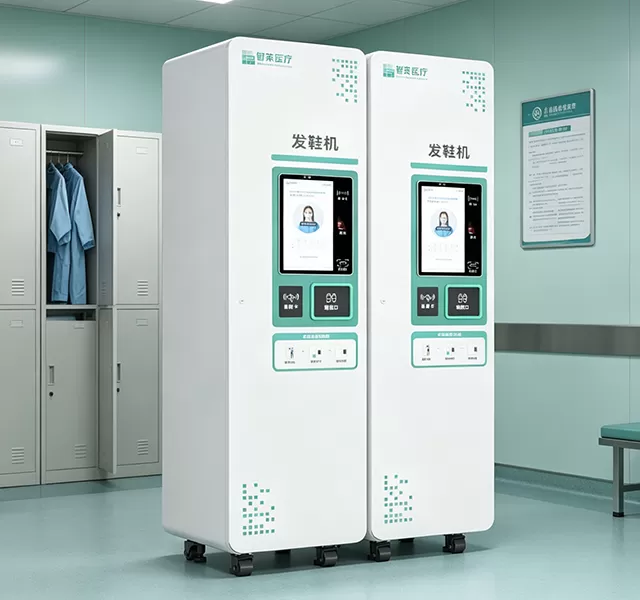
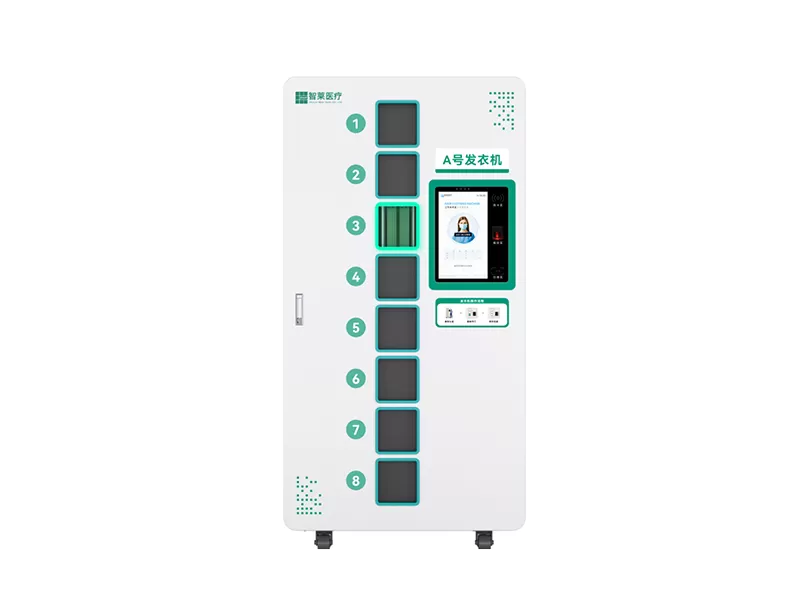
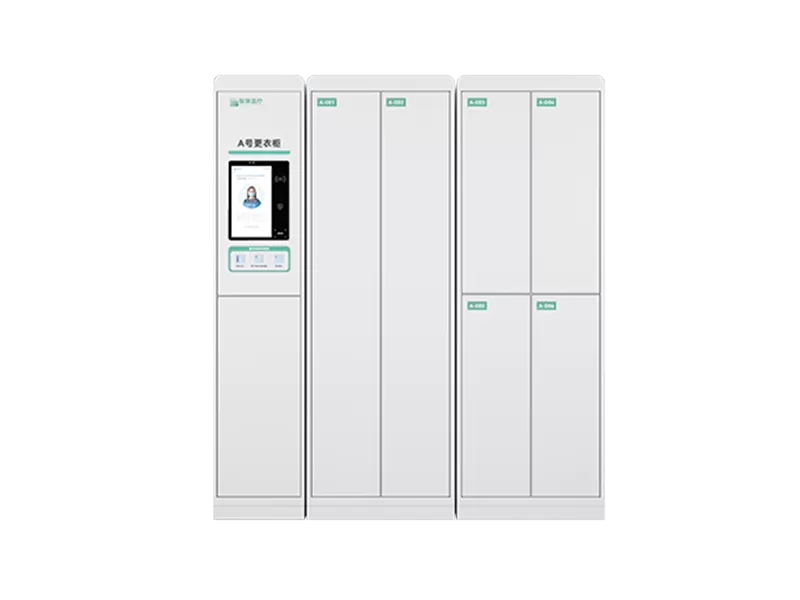
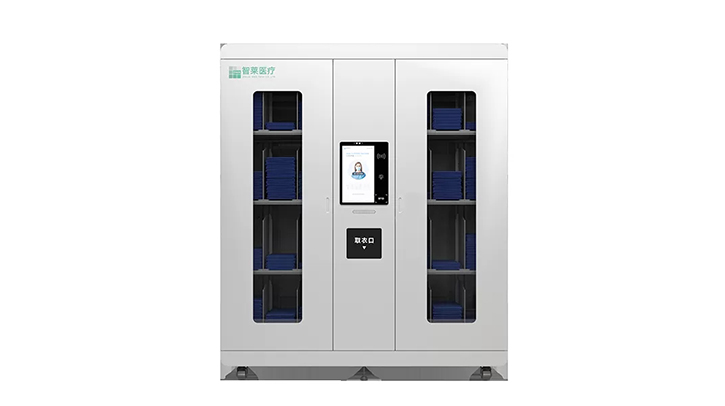
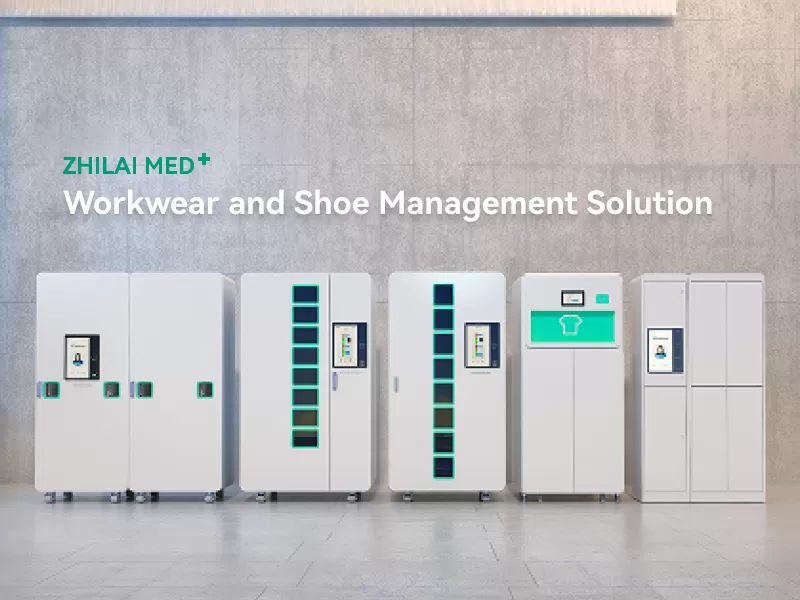
Integrating UHF RFID technology, intelligent identification, and automated mechanical systems, ZHILAI Smart dispensers enables rapid scrub dispensing and shoe dispensing, intelligent inventory management, and alert notifications. It effectively improves operating room efficiency and management standards, and is a key device for modern smart hospitals to enhance healthcare service quality.
Key benefits include:
· Faster inventory verification
· Reduced labor requirements
· Improved inventory accuracy
· Lower risk of cross-contamination
· Enhanced staff productivity
2.3 Data-Driven Inventory Optimization and Cost Control
The cloud-based management platform provides real-time visibility into:
· Linen inventory levels
· Utilization rates
· Wash-cycle counts
· Turnover frequency
· Idle inventory
· Overdue returns
Automated alerts notify administrators when anomalies occur, including inventory shortages, overdue returns, or textiles approaching end-of-life thresholds. This data-driven approach enables hospitals to make informed purchasing decisions, avoid overstocking, and optimize linen replacement cycles.
Operational outcomes:
· Lower procurement costs
· Reduced inventory waste
· Improved asset utilization
· More accurate budget forecasting
3. Designed for Global Healthcare Deployment
3.1 Multi-Region Hardware and Software Compatibility
The solution is designed for international healthcare environments and supports:
· 110V North American power standards
· 230V European power standards
· Multiple language options
· Customizable user permissions
· Local currency and operational configurations
This flexibility enables deployment across North America, Europe, the Middle East, Southeast Asia, and Latin America.
3.2 Open API Integration with Existing Healthcare Systems
The platform provides open API connectivity for seamless integration with:
· Hospital Information Systems (HIS)
· Asset Management Systems (AMS)
· Laundry management platforms
· Third-party operational software
This ensures smooth adoption without disrupting existing IT infrastructure.
3.3 Flexible Deployment Models for Hospitals of All Sizes
Healthcare organizations can begin with pilot deployments in high-priority areas such as:
· Operating rooms
· Intensive care units
· High-volume inpatient wards
After validating results, the system can be expanded across the entire facility.
Deployment options include:
· Hardware purchase with software licensing
· Phased implementation plans
· Enterprise-scale deployments
· Solutions for third-party laundry service providers
Real-World Deployment: Kowloon Hospital, Hong Kong
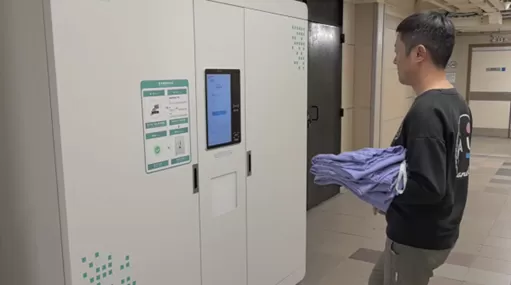
The commercial laundry management solution has been successfully deployed at Kowloon Hospital in Hong Kong, where the facility implemented a comprehensive system including:
· RFID Smart Uniform Dispensers
· RFID Shoe Dispensers
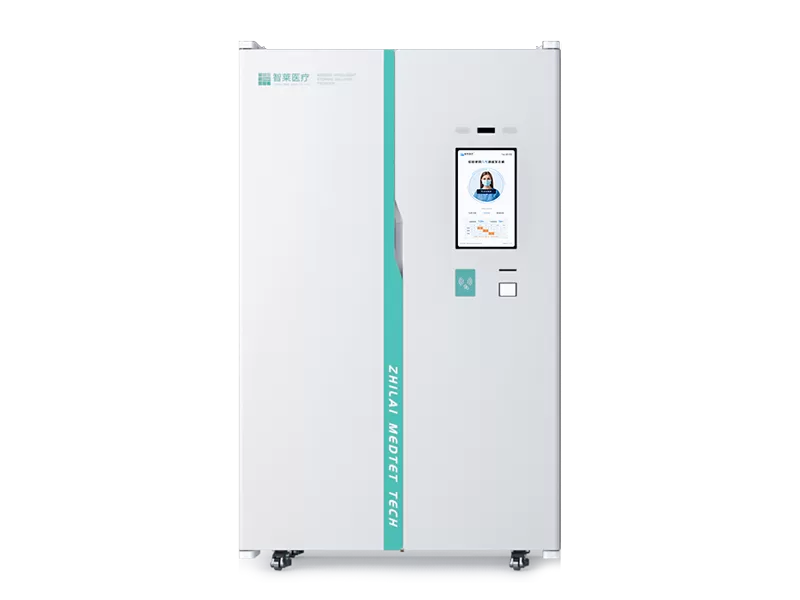
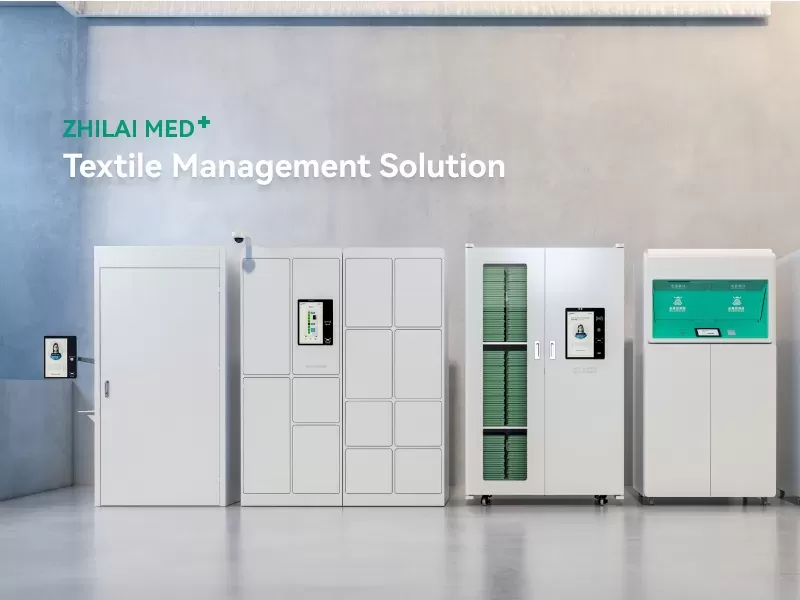
· RFID Soiled Linen Return Unit
· Centralized Management Software
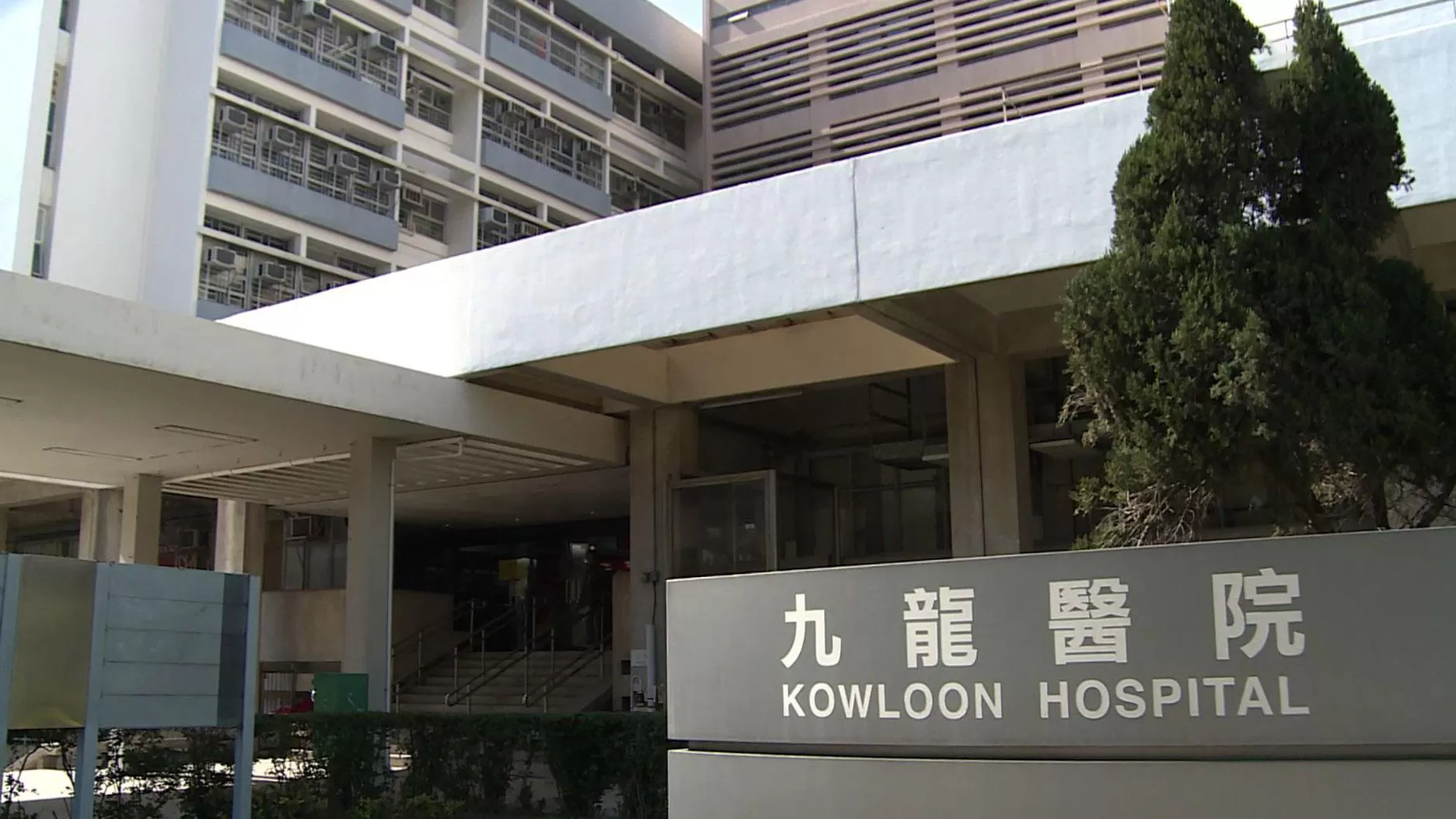
By automating the distribution and collection of medical textiles, the hospital significantly reduced manual inventory processes and improved operational efficiency for healthcare staff.
At the same time, the closed-loop collection system strengthened infection-control measures by minimizing direct contact with contaminated textiles and reducing the risk of cross-contamination during linen circulation.
Conclusion
For healthcare organizations worldwide, linen management is no longer simply a housekeeping function. It plays a critical role in infection-control compliance, operational efficiency, financial performance, and accreditation readiness.
By combining item-level RFID traceability, intelligent dispensing and collection equipment, and real-time analytics, RFID Healthcare Linen Management Solutions help hospitals address three of their most pressing challenges:
· Reducing linen loss
· Achieving regulatory compliance
· Improving operational efficiency
As healthcare systems continue their digital transformation journey, RFID-enabled linen management is rapidly becoming a standard component of modern hospital logistics and asset management strategies.