At the entrance of the operating room, similar chaos plays out every day: medical staff lining up to get clothes and shoes, unable to find keys, entering the wrong changing room, dirty clothes piled up randomly, and end-of-month inventory losses not matching the accounts... These issues repeatedly consume the energy of managers and frontline staff.
The traditional manual management model is becoming a bottleneck for the refined operation of operating rooms. A complete operating room behavior management system is redefining the rules with technology.
Operating Room Behavior Management: A Complete Closed-Loop Process from Personnel Access to Material Traceability
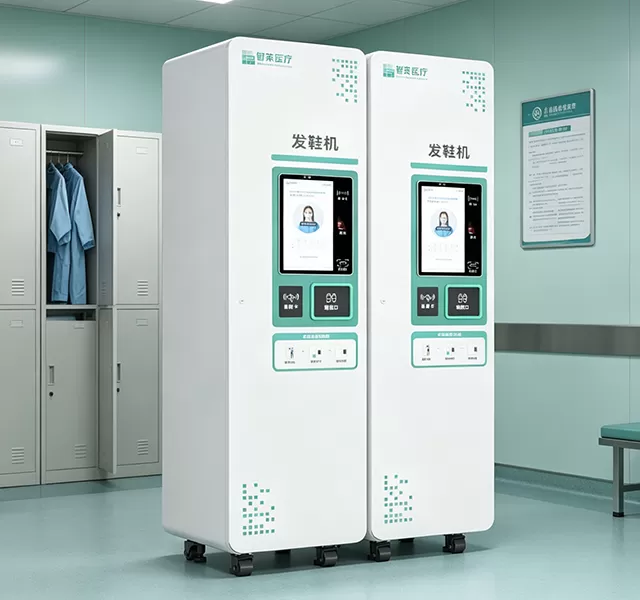
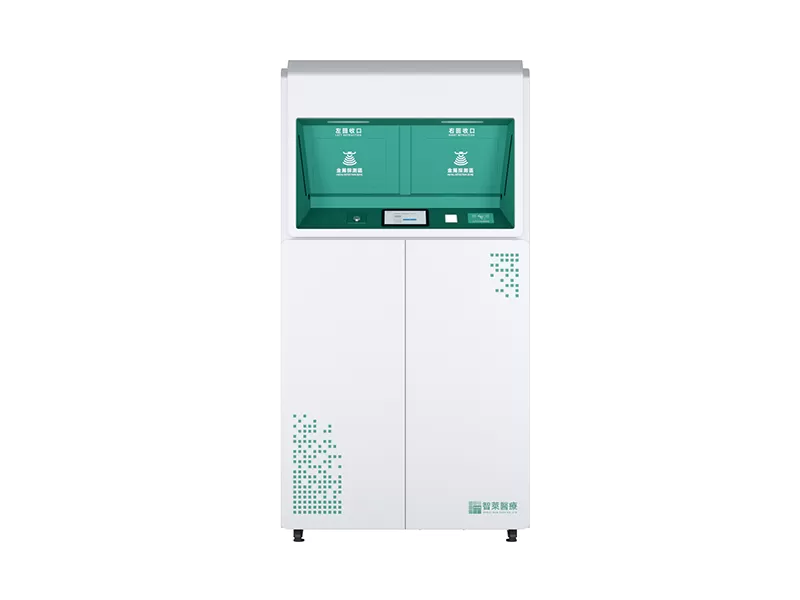
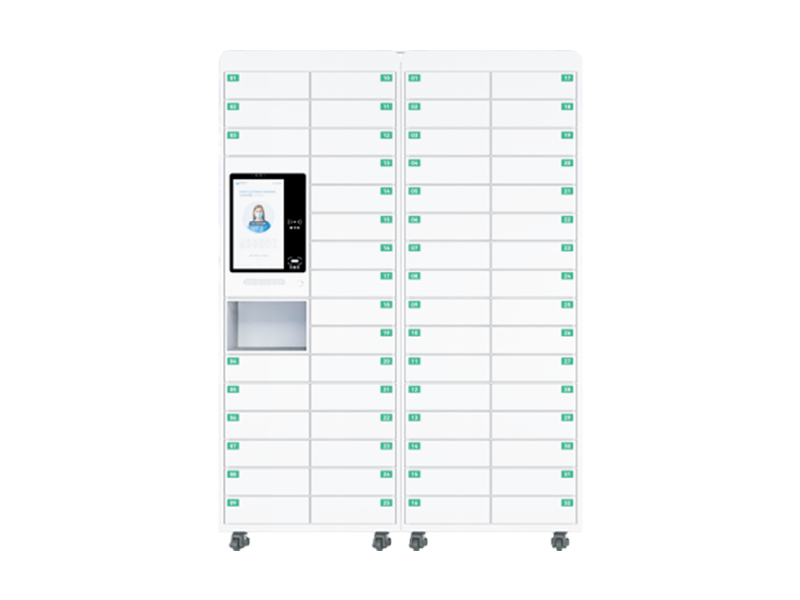
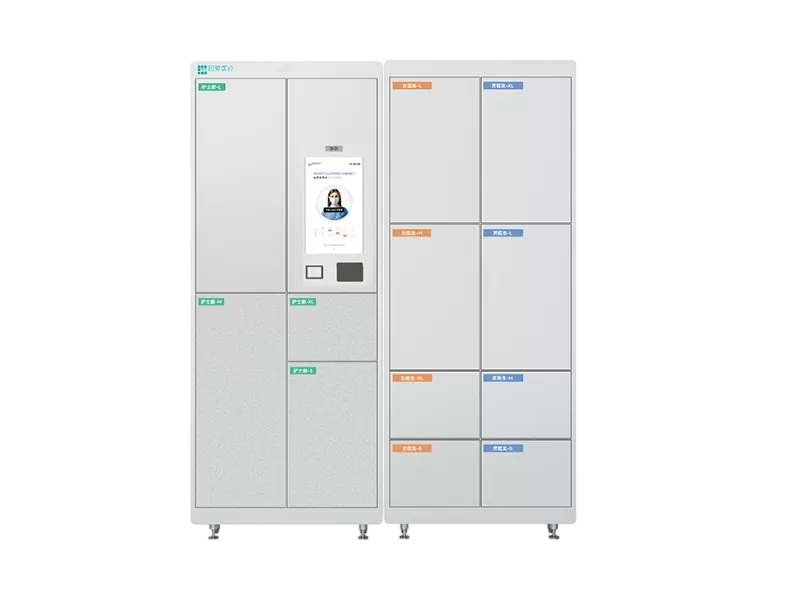
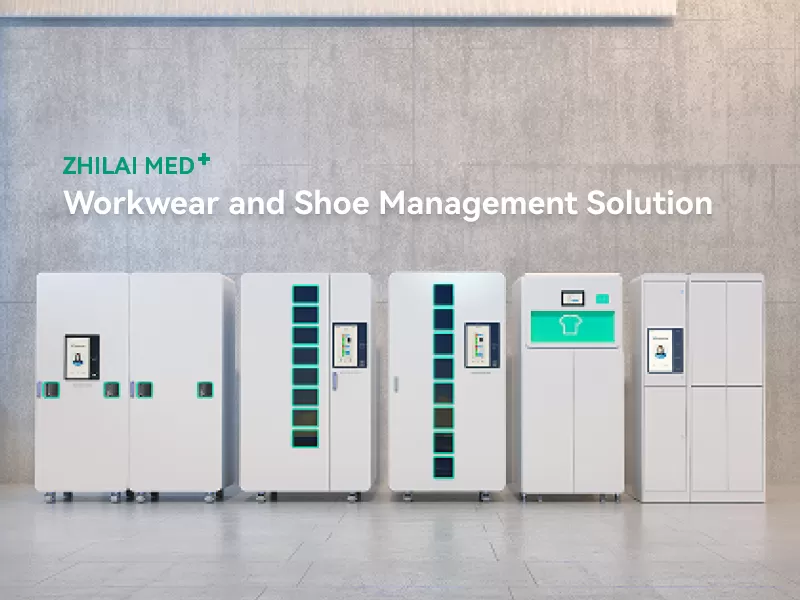
The operating room behavior management system by Zhilai is not an isolated clothes dispenser or recycling bin, but a complete solution based on IoT, RFID, and automatic control technology. It covers every aspect from personnel access, clothing distribution, usage to recycling.
Hospitals implementing smart healthcare solutions are increasingly integrating technologies such as Internet of Things (IoT) and RFID systems to improve operational visibility and infection control.
The specific closed-loop process is as follows:
Access Control: The system seamlessly integrates with the hospital's surgery scheduling system. Only medical staff with surgeries scheduled for that day and authorized can enter the changing area via facial recognition, IC card, or work card, while unauthorized personnel are automatically denied access.
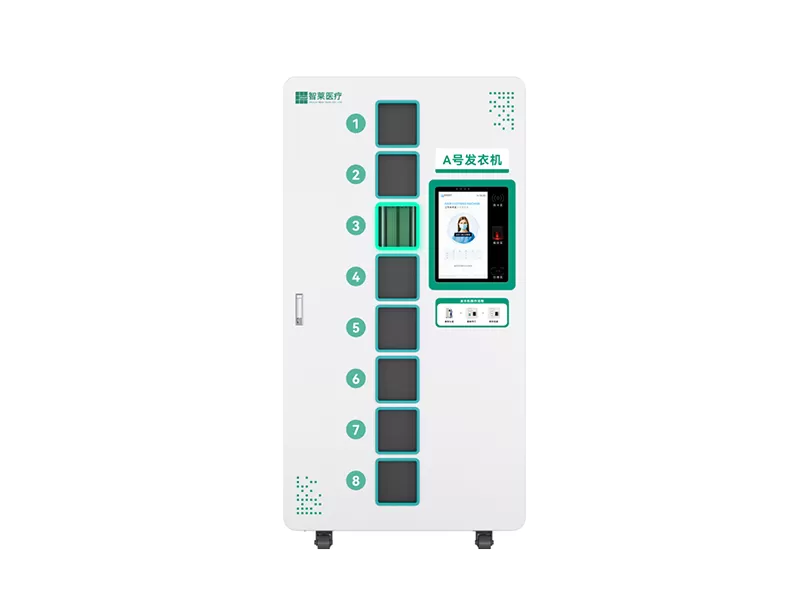
Automated Distribution: Intelligent clothing and shoe dispensers automatically distribute the corresponding scrub clothes and surgical shoes within 2 seconds based on pre-set sizes and permissions, unattended and ready to go.
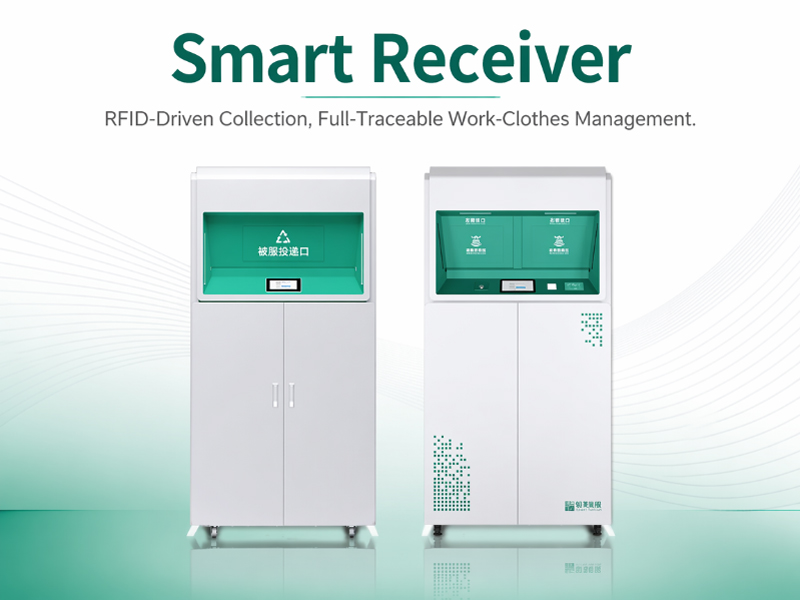
Automated Recycling: Used dirty clothes and shoes are deposited contact-free through the intelligent recycling machine, with RFID automatically identifying the items and unbinding them from the personnel while recording the recycling time and responsible person. The system automatically alerts when the recycling bin is full.
Full Traceability: Who, when, took which piece of clothing, returned which pair of shoes—every step is automatically recorded by the system, forming an immutable behavior log.
This closed loop turns the management of surgical room materials from "roughly right" to "every account is clear".
The Three Major Values of Operating Room Behavior Management: Infection Control Compliance, Operational Efficiency, and Material Cost Reduction
1. Infection Control Compliance
In traditional models, people wearing casual shoes or mixing clothes occasionally occurs. The Zhilae system enforces behavior processes—first changing shoes, then clothing, finally entering—and uses full RFID traceability to block cross-infection pathways from the process.
Healthcare institutions are also strengthening standards around Infection prevention and control to reduce hospital-acquired infections and improve patient safety.
2. Operational Efficiency
The system automatically records each medical staff's changing and start time, allowing managers to analyze on-time start rates in real-time and identify process bottlenecks. After interfacing with the surgical anesthesia system, the scheduling of support staff can implement a dispatch/grab model, significantly improving work efficiency.
3. Material Cost Reduction
The intelligent clothing and shoe cabinets support a combination of "fixed + mobile" use, reducing empty slots. The system automatically checks inventory and issues restock alerts when below set values, avoiding emergency purchases and waste. Actual application data shows that it can save 30% of clothing procurement costs.
Many hospitals are also optimizing operations through Hospital information systems to improve scheduling efficiency, inventory transparency, and data management.
Operating Room Behavior Management is not an optional accessory, but a standard facility of modern operating rooms
In the past year, Zhilae's operating room behavior management system has been delivered and is running stably in several hospitals, including:
General Hospital of the People's Liberation Army
Tongji Hospital Affiliated to Tongji Medical College of Huazhong University of Science and Technology
The First Affiliated Hospital of Sun Yat-sen University
Air Force Hospital of the Eastern Theater Command of the People's Liberation Army
These hospitals cover national medical centers, provincial leading hospitals, and regional medical centers. The system has verified its stability and reliability in real scenarios such as peak changing flows, data integration with scheduling systems, and emergency operations during power and network outages.
Whether you are a hospital administrator looking for an operating room upgrade solution, a distributor or overseas agent looking for high-value medical equipment, operating room behavior management is a direction worth serious consideration—because it solves not just a single point, but a closed-loop, traceable, and quantifiable management system.
If you are planning the intelligent transformation of an operating room, consider starting with behavior management.
Conclusion
Operating room behavior management is no longer just about distributing scrubs or recycling surgical shoes. It has become a critical part of hospital digitalization, infection control compliance, and operational efficiency improvement. By combining RFID technology, intelligent access control, automated distribution, and full-process traceability, Zhilae Medical helps hospitals build a smarter and more standardized operating room environment.
For hospitals planning intelligent operating room upgrades, distributors seeking high-value medical solutions, and healthcare institutions aiming to reduce management costs while improving compliance, operating room behavior management provides a practical and scalable solution with proven real-world application value.
FAQ
Q1: What is an operating room behavior management system?
A1: It is a smart management solution that controls personnel access, automates scrub and shoe distribution, tracks recycling, and records all operating room behavior data.
Q2: How does RFID improve operating room management?
A2: RFID automatically identifies and tracks surgical attire and shoes, reducing manual errors and enabling full traceability.
Q3: Can the system integrate with hospital scheduling systems?
A3: Yes, the system can connect with surgery scheduling and hospital information systems to automate access control and workflow management.
Q4: How does the system help infection control?
A4: It enforces standardized changing procedures and uses traceable RFID records to reduce cross-contamination risks.
Q5: What happens during power or network outages?
A5: The system supports emergency manual operation and offline data storage, with automatic synchronization after reconnection.
Q6: How does the system reduce operating costs?
A6: Automated inventory monitoring, optimized clothing distribution, and reduced item loss help hospitals lower procurement and management costs.