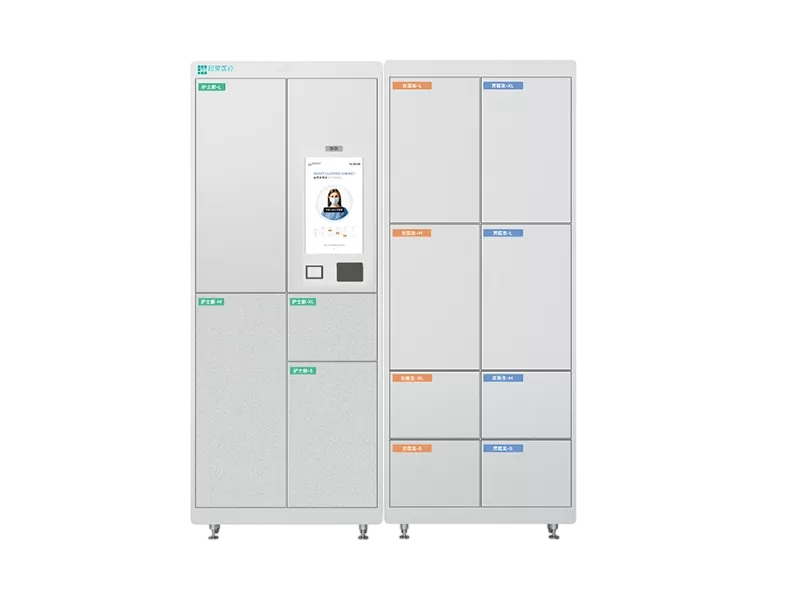
The right capacity is not determined by hospital size alone. It depends on how many staff members collect workwear between replenishment rounds, which sizes they use, when demand peaks, and how quickly used garments return to the laundry cycle.
Updated September 2026 · A practical planning guide for hospital operations, laundry, procurement and facility teams
Quick answer
Size a hospital workwear dispenser from the demand that occurs between two replenishment visits, then add a facility-approved reserve and validate capacity for every garment size. Finally, check peak transaction demand, available floor space, authentication, offline operation, software integration and the separate return route for used scrubs. A large total capacity can still fail if the size mix or replenishment schedule is wrong.
1. Define the Job the System Must Perform
Start with the operating unit, not the product catalogue. An operating-room changing area, emergency department and hospital-wide staff hub can have very different demand patterns even when they serve a similar number of employees.
Document the following information for each proposed dispensing location:
Users and entitlement
Eligible staff, departments, temporary users, issue quotas and whether one or multiple sets may be collected per shift.
Demand window
Issues per shift, busiest 15- and 30-minute periods, weekend patterns and emergency demand.
Replenishment
How often clean scrubs arrive, who reloads the machine, and the longest realistic interval between two visits.
Garment profile
Size distribution, folded thickness, top-and-trouser issue rules, specialty garments and seasonal variation.
If you are comparing garment and shoe equipment across several industries, use the broader smart garment and shoe dispenser buying guide. This article focuses specifically on sizing a scrub dispensing workflow for hospitals.
2. Calculate Capacity From the Replenishment Cycle
Daily demand is useful for budgeting, but machine capacity should be calculated from the longest period the dispenser must operate before it is replenished.
Core sizing method
Cycle demand = forecast issues during one replenishment interval
Required clean stock = cycle demand + approved safety reserve
Machine quantity = required clean stock ÷ validated usable capacity per machine, rounded up
Use validated usable capacity—not brochure capacity alone. Garment thickness, folding method and size allocation can reduce the number of sets that fit in a real configuration. Ask the supplier to test representative garments before the final cabinet count is approved.
Illustrative calculation
Assume transaction records show that 180 sets are issued between two planned replenishment visits. The hospital adds a 30-set reserve based on its service-risk policy.
| Planning input | Example | What to verify |
|---|---|---|
| Demand between replenishments | 180 sets | Use issue logs, not the total number of employees. |
| Safety reserve | 30 sets | Set locally for delays, emergencies and demand variation. |
| Required clean-stock position | 210 sets | Allocate this total by size before selecting equipment. |
This is a method example, not a universal capacity recommendation. Each hospital should define its own reserve and replenishment assumptions.
3. Plan Capacity by Size, Not Only by Total Sets
A dispenser with enough total garments can still create stockouts when the size allocation is wrong. Calculate demand and reserve separately for XS, S, M, L, XL and any specialty sizes. Review historical issue data by department and shift, then confirm how the selected machine assigns storage positions.
| Size | Cycle demand | Reserve | Required position |
|---|---|---|---|
| XS | 8 | 2 | 10 |
| S | 24 | 4 | 28 |
| M | 48 | 8 | 56 |
| L | 55 | 8 | 63 |
| XL | 32 | 5 | 37 |
| 2XL | 13 | 3 | 16 |
| Total | 180 | 30 | 210 |
This size-level plan also improves low-stock alerts. Instead of waiting for total inventory to fall below a threshold, the system can alert staff when a specific size approaches its reorder point.
4. Match the Machine Format to the Demand Pattern
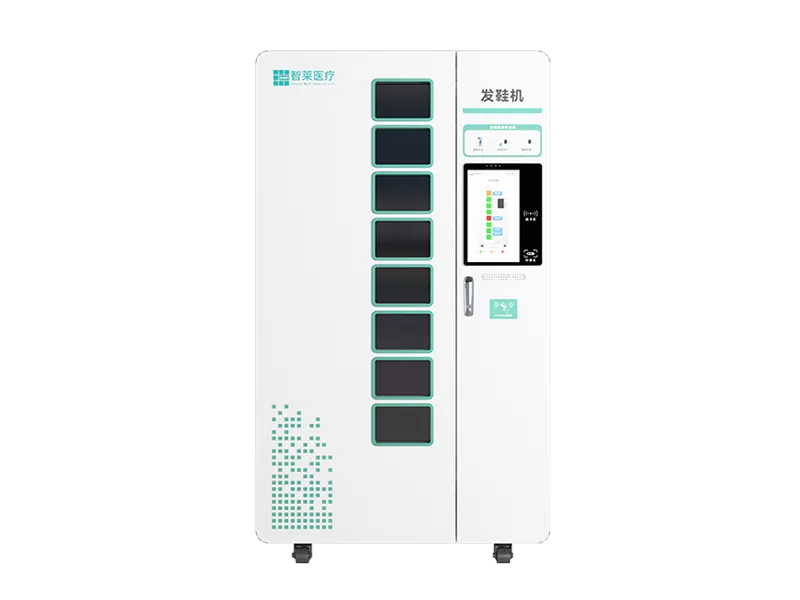
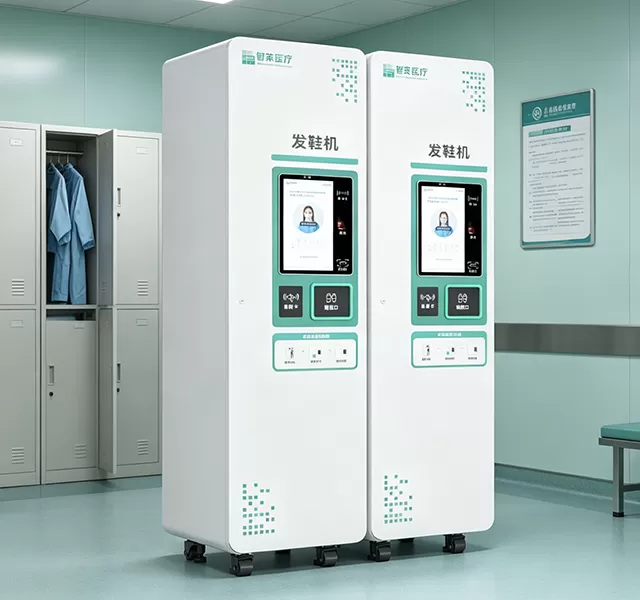
After capacity and size allocation are clear, compare formats. The options below illustrate three configurations in the ZHILAI MED range. Published specifications should be confirmed against the final garment, software and project configuration.
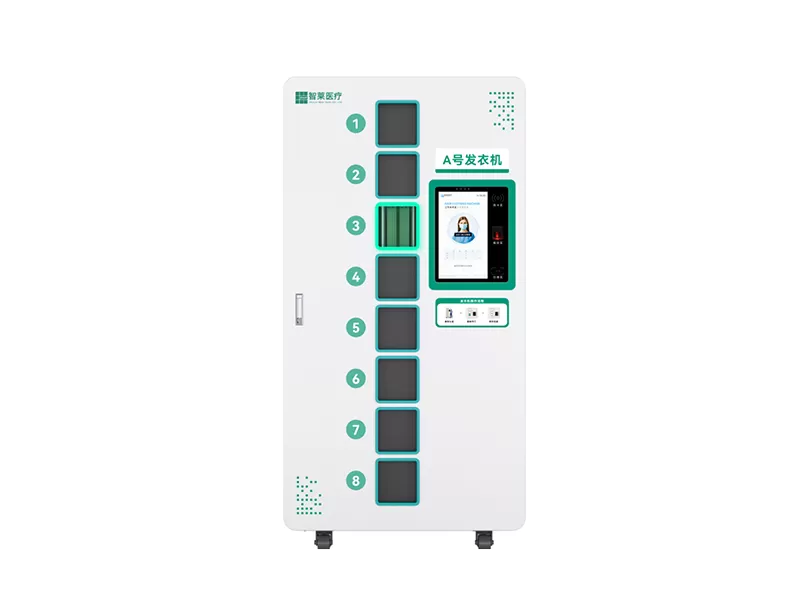
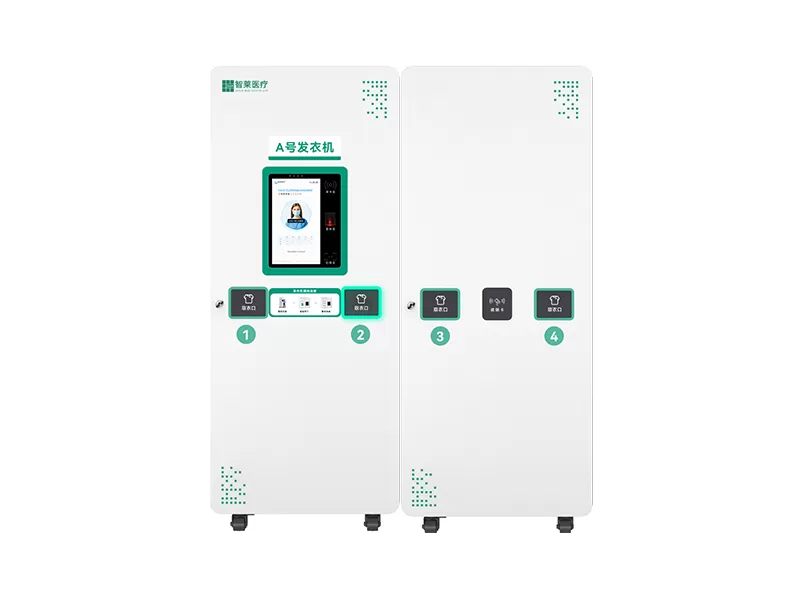
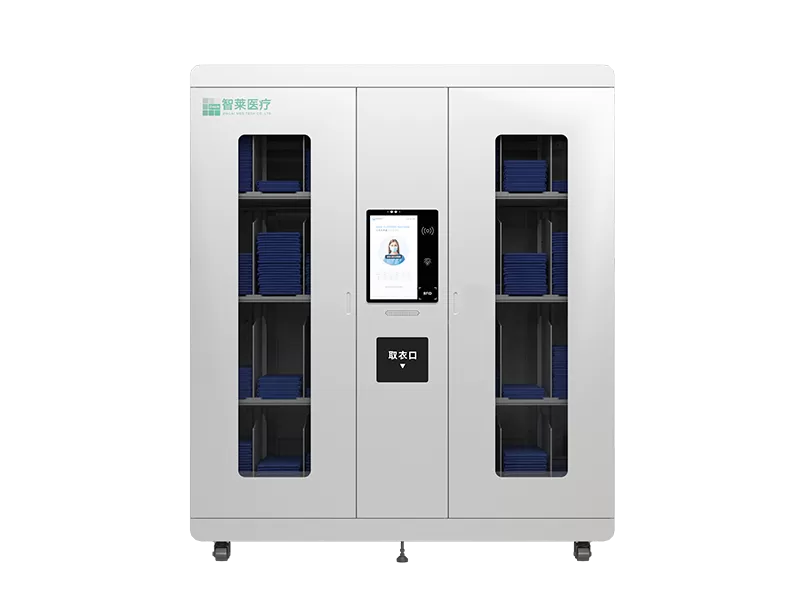
| Decision factor | Eight-port rotary | Modular rotary | High-capacity pick-up |
|---|---|---|---|
| Typical planning priority | Compact multi-port access | Modular expansion and ergonomic outlet | Large inventory in one location |
| Loading method to validate | Folded sets and port allocation | Rolled garments and module allocation | Compartment loading and automated handling |
| Best validation test | Size mix per access port | Capacity per module with actual fabric | Peak queue and replenishment time |
| Do not decide from | Total capacity alone | Footprint alone | Maximum capacity alone |
“Typical planning priority” is an operational interpretation of the published configurations, not a universal recommendation. Final selection should follow a site survey and garment test.
5. Check Peak Throughput and Queue Risk
A machine can have enough stock and still create delays at a shift change. Review the busiest 15-minute period rather than relying only on daily transaction totals.
Also review walking distance. Two smaller dispensing points near separate changing areas may provide a better staff experience than one centralized unit, even if the total storage capacity is similar.
6. Design Dispensing and Return as One Workflow
A clean-workwear dispenser solves only the issue step. The operating design should also define where used garments are returned, when users are released from their issue quota, how bags or carts are removed, and how the laundry receives transaction data.
Clean and used textiles should have clearly separated handling routes. The CDC guidance for healthcare laundry discusses minimizing agitation of contaminated textiles, containing them at the point of use, and maintaining separation between clean and contaminated items during handling and transport. A smart dispenser supports access and traceability, but it does not replace the facility’s infection-control and laundry procedures. See the CDC laundry and bedding guidance.
For a closed-loop plan, compare the clean-stock equipment with RFID garment return equipment and the broader hospital textile management solution.
7. Validate RFID, Authentication and Integration
Technology choices should follow the hospital’s control policy. RFID can identify garments and support inventory or transaction records, while staff authentication determines who is allowed to collect which item and how many.
| Area | Questions for the supplier | Acceptance evidence |
|---|---|---|
| RFID | Which tag type and regional frequency are supported? How are missed or duplicate reads handled? | Test with the hospital’s tagged garments and loading pattern. |
| Identity | Can the system use existing staff cards or identity records? How are visitors and temporary staff handled? | Approved user journeys for every staff group. |
| Permissions | Can quotas vary by role, department, size and shift? What happens after a return? | Written rule matrix and exception process. |
| Integration | Which APIs, exports and user-directory connections are available? | Interface specification and end-to-end test. |
| Resilience | What functions continue during a network or power interruption, and how is cached data synchronized? | Observed offline and recovery test. |
8. Hospital Workwear Dispenser Procurement Checklist
Use measurable acceptance criteria in the request for proposal. Avoid requirements such as “large capacity” or “fast dispensing” unless the hospital defines how they will be tested.
Frequently Asked Questions
How much capacity does a hospital workwear dispenser need?
Capacity should cover forecast issues between replenishment visits, plus a hospital-approved reserve. The result must then be divided by garment size and checked using the actual folded or rolled scrubs.
How many workwear dispensing machines does a hospital need?
Divide required clean stock by the validated usable capacity of one machine and round up, then check peak queues and walking distance. Several distributed units may perform better than one central machine.
Is RFID required for automated workwear dispensing?
Not every workflow requires the same identification method. RFID is valuable when the hospital needs garment-level or batch-level identification, inventory visibility and traceable issue or return records. The decision should follow the required workflow and reporting detail.
Can the dispenser continue working during a network interruption?
Some configurations support local operation and later synchronization, but offline functions vary. Ask the supplier to demonstrate authentication, dispensing, record storage and recovery using the proposed project configuration.
Should clean dispensing and used-workwear return use the same machine?
Hospitals should design clearly separated clean and used-textile routes according to their infection-control and laundry policies. A dedicated return receiver can record returns while keeping the used-garment collection process distinct from clean stock.
Is a workwear dispenser the same as a workwear vending machine?
The terms are often used for similar self-service equipment. In hospitals, “workwear dispenser” usually better describes a controlled issue system linked to staff identity, quotas, inventory and returns rather than a retail payment transaction.
What information should be sent to a supplier before requesting a proposal?
Provide the number of locations, user groups, transactions by shift, size mix, replenishment frequency, garment samples, available space, identity method, network requirements, return process, required reports and integration scope.
Turn Your Demand Data Into a Practical Equipment Plan
ZHILAI MED can review your user volume, size distribution, replenishment schedule, available space and integration requirements to propose an appropriate dispensing-and-return configuration.