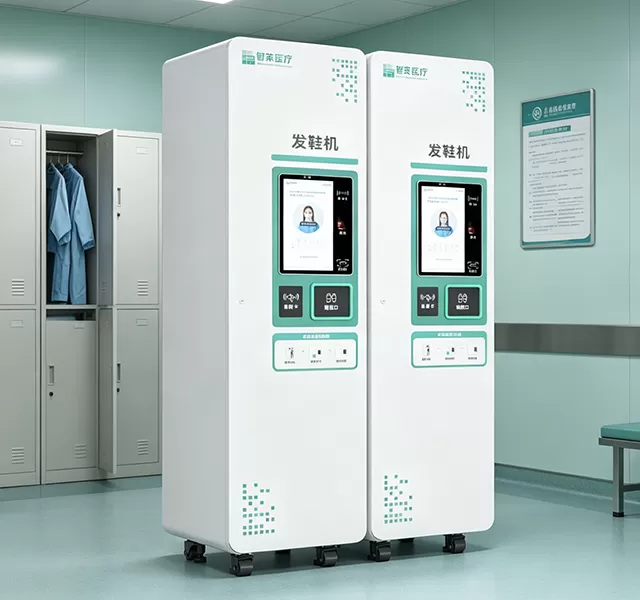
Choosing a smart garment or shoe dispenser may seem like a straightforward equipment purchase. You compare capacity, dispensing speed, authentication methods, appearance, and price, then select the product that appears to offer the best value.
But for hospitals, industrial laundries, textile service providers, and system integrators, the machine itself is only one part of the decision.
A smart dispensing system may need to work with employee identification, RFID textile tracking, inventory management, garment collection, laundry operations, software platforms, and existing IT systems. It may also need to operate reliably for years and adapt as the project grows.
So the real question is not simply:“Which smart garment or shoe dispenser should we buy?”
It is:“Which equipment and manufacturer can best support our actual workflow and long-term project requirements?”
This guide outlines eight key factors to consider before choosing a smart garment or shoe dispenser.
Start With Your Application, Not the Product
The first step is to understand exactly how the equipment will be used.Healthcare organizations may need smart dispensers for medical workwear, surgical scrubs, uniforms, or shoes. Industrial laundries and textile service providers may use automated dispensing equipment as part of a larger textile rental, cleaning, sorting, and distribution workflow.
These applications can have very different requirements. Before comparing products, consider:
What types of garments or shoes need to be dispensed?
How many users will access the equipment?
How many items are dispensed each day?
What capacity is required?
Is 24/7 access necessary?
Does the system require RFID?
Is user authentication required?
Does the equipment need to connect with existing software?
Will automated collection or return be part of the project?
A good supplier should first understand your workflow and then recommend the appropriate equipment.

Evaluate the Equipment Based on Your Workflow
Product specifications are important, but they should be evaluated in the context of your actual operation.
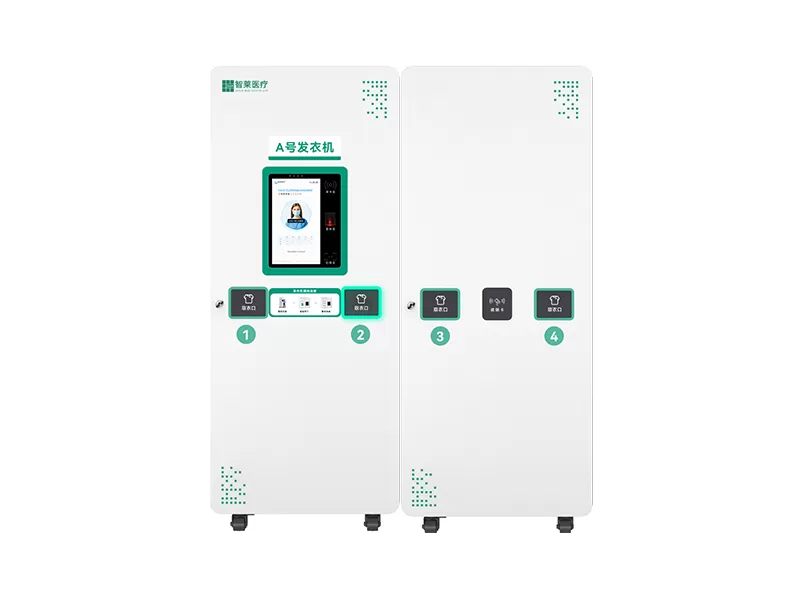
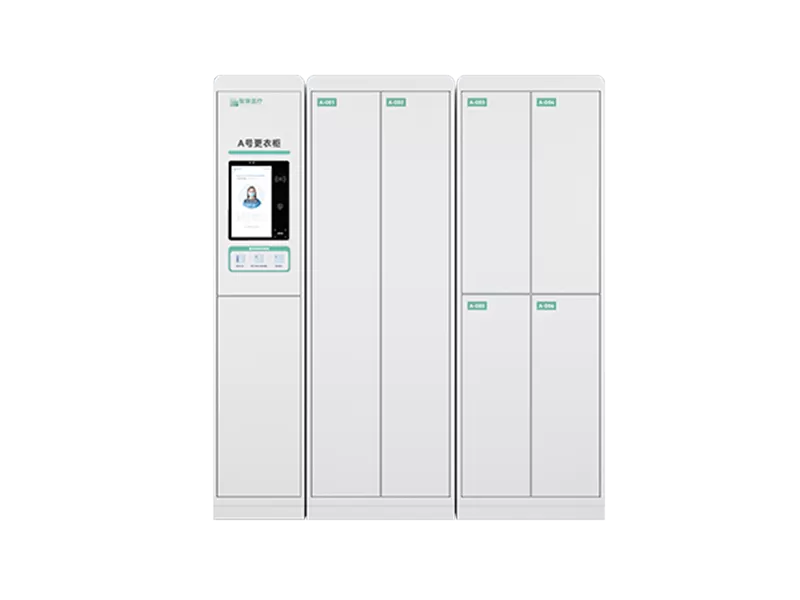
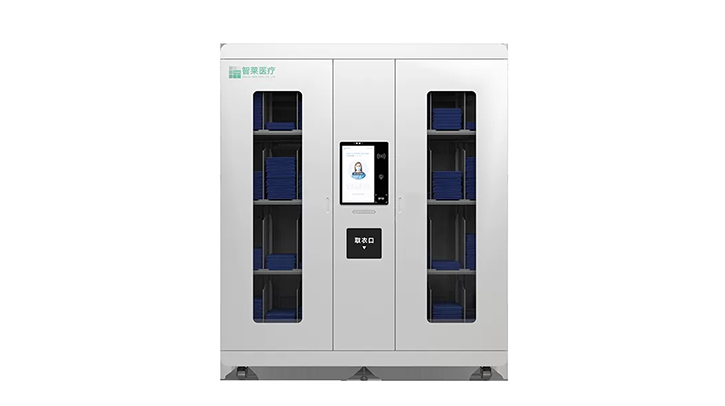
For a smart garment dispenser, buyers may need to consider storage capacity, dispensing efficiency, authentication methods, replenishment processes, inventory monitoring, and remote management.
For shoe dispensing, factors such as shoe size management, dispensing accuracy, capacity, access control, and retrieval efficiency may become more important.
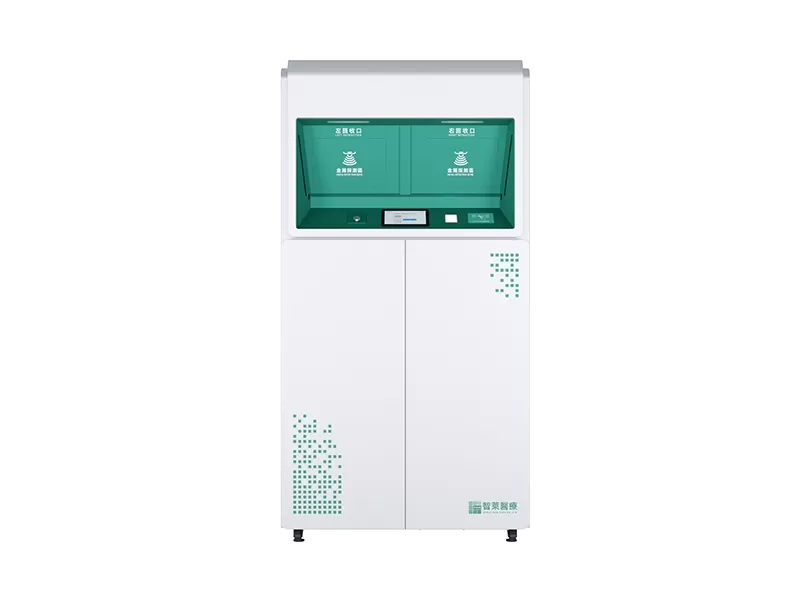
For textile service providers and industrial laundries, the equipment should also fit into the broader textile circulation process.
The ideal solution may look like:

ZHILAI MED’s textile management solution combines RFID, IoT, Internet, big data, and intelligent dispensing and receiving equipment to support textile management from warehousing and sorting through distribution, recycling, washing, and redistribution. This is an important distinction: a smart dispenser should support the workflow, rather than simply store and release products.
Check RFID and Textile Traceability Capabilities
For professional textile management, dispensing is only one part of the process.RFID can provide a digital identity for individual or batches of textiles. Textile information can include type, product name, size, color, and ownership.
With RFID-enabled equipment, organizations can improve visibility across different stages of textile circulation. For example, an RFID inventory machine can count more than 500 textiles in a single inventory operation, helping reduce the workload associated with manual counting.
The management platform can also support individual textile traceability, including current status and historical circulation records. It can provide real-time inventory information and generate alerts for suspected lost or accumulated textiles.
For hospitals and textile service companies, this can help turn textile management from manual record keeping into a more measurable and data-driven process.
Look Beyond Hardware: Software and Integration Matter
A smart dispenser should not be evaluated as an isolated cabinet. The software behind the equipment can be equally important.
Ask whether the solution can support:
User authentication and permissions
Real-time inventory monitoring
RFID identification
Textile traceability
Data reporting
Alerts and notifications
Remote equipment management
Integration with existing systems
For example, ZHILAI’s textile management platform can connect with a hospital’s existing personnel system, support user permission management, monitor dispensing and collection inventory, trace individual textiles, and generate washing quantity and laundry cost reports.

This is especially important for system integrators and textile service providers, where the dispenser may need to become part of an existing digital ecosystem. The best solution is therefore not necessarily the machine with the most hardware features. It is the solution that fits your existing operational and digital workflow.
Evaluate the Manufacturer, Not Just the Product
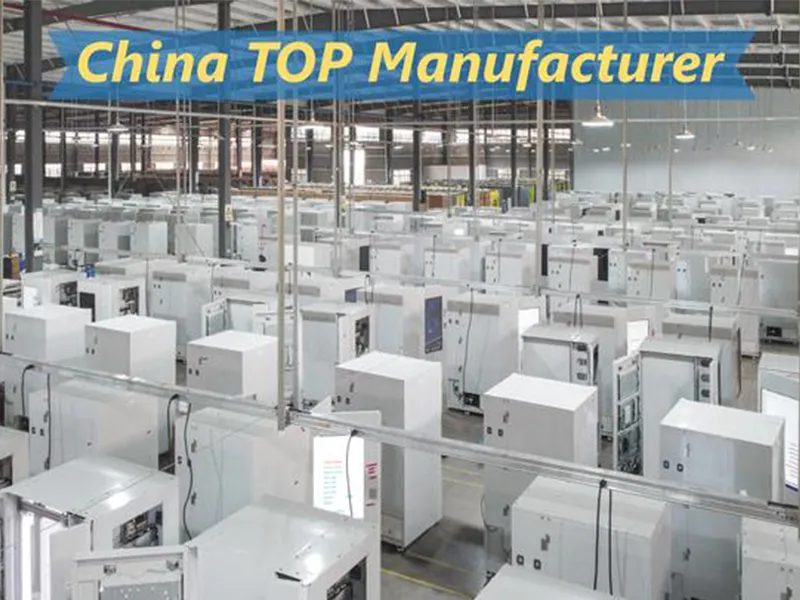
One of the most important considerations when purchasing smart equipment is the manufacturer’s capability. A product brochure can show specifications, but it cannot tell you everything about the company behind the product.
Consider asking:
Does the manufacturer have its own R&D capability?
Does it have its own production facilities?
Can it customize hardware and software?
Does it have quality-control processes?
Can it provide spare parts and technical support?
Can it support future product upgrades?
Does it have experience with international projects?
Smart garment and shoe dispensers combine mechanical structures, electronic locks, software, RFID, communication technologies, and user interfaces. When a project requires customization or integration, the manufacturer’s technical capabilities can directly affect project implementation.

ZHILAI was founded in 1999 and specializes in the manufacturing, sales, and service of smart storage and delivery equipment. Its capabilities include independent product development and customization according to operational requirements.
Ask: “Where Has This Solution Been Deployed?”
A simple but powerful question for any supplier is:“Where is your equipment already being used?”
Real-world projects can provide information that product specifications cannot.
When evaluating a supplier, ask about:
For healthcare applications, this is particularly important because hospitals have complex operational requirements. ZHILAI MED’s documented healthcare projects had been deployed at least 200 hospitals.These projects demonstrate experience with real healthcare textile workflows rather than laboratory or demonstration environments. For buyers, proven deployment experience can reduce uncertainty when evaluating a new technology.
Check Customization, Service and Scalability
Different organizations have different operational requirements. A hospital may have limited installation space. A large laundry company may require higher capacity. A textile service provider may need customized software or system interfaces.
Therefore, ask whether the manufacturer can customize:
Cabinet dimensions
Capacity
Dispensing configuration
Authentication methods
RFID configuration
Software functions
System interfaces
Branding and appearance
It is also important to evaluate long-term service. A smart textile project may require installation, commissioning, training, remote support, maintenance, spare parts, and future expansion.
ZHILAI’s service capabilities include delivery, installation, commissioning, training, and maintenance, together with professional customer service. For overseas customers and system integrators, this type of long-term support can be just as important as the initial equipment specification.
Compare Total Value, Not Just Unit Price
Price will always be an important part of procurement, but the lowest unit price does not necessarily mean the lowest overall cost. When comparing suppliers, consider the total cost of ownership, including:
Equipment + Installation + Integration + Maintenance + Labor + Textile Loss + Future Expansion
A lower-priced machine may become more expensive if it requires extensive manual operation, has limited integration capabilities, or cannot be expanded when the project grows. By contrast, a solution with stronger automation, traceability, integration, and service capabilities may create greater long-term value. The goal should therefore be to compare total project value, rather than simply comparing equipment prices.
Why Consider ZHILAI MED?
ZHILAI MED focuses on smart workwear and textile management solutions for healthcare, laundry, and other professional textile applications.
Its solution portfolio combines smart garment dispensing, shoe dispensing, textile collection, RFID identification, inventory management, and software-based textile traceability.
The broader ZHILAI organization has been developing smart storage and delivery technologies since 1999, with manufacturing, R&D, customization, and service capabilities. For customers, this means the evaluation can go beyond:“Does this machine have the features we need?” and move toward:“Can this manufacturer deliver and support the project we actually need?”
Choosing a smart garment or shoe dispenser is not simply about finding a machine with the right capacity, appearance, or price. For healthcare organizations, industrial laundries, textile service providers, and system integrators, the better approach is to evaluate the complete solution and the manufacturer behind it.
Look at the application.
Evaluate the workflow.
Check RFID and traceability.
Consider software and integration.
Examine manufacturing and R&D capabilities.
Ask for real project references.
Evaluate customization and after-sales support.
And compare total project value rather than unit price alone.
Because ultimately, the difference between a successful smart dispensing project and an expensive equipment purchase is often not the machine itself.
It is the experience, technology, and implementation capability of the manufacturer behind it.